Waterproof Boots for Fall 2026: The Complete Buying Guide
What to look for in waterproofing, insulation, traction, and height for fall 2026, matched to how you will actually wear them, with picks.
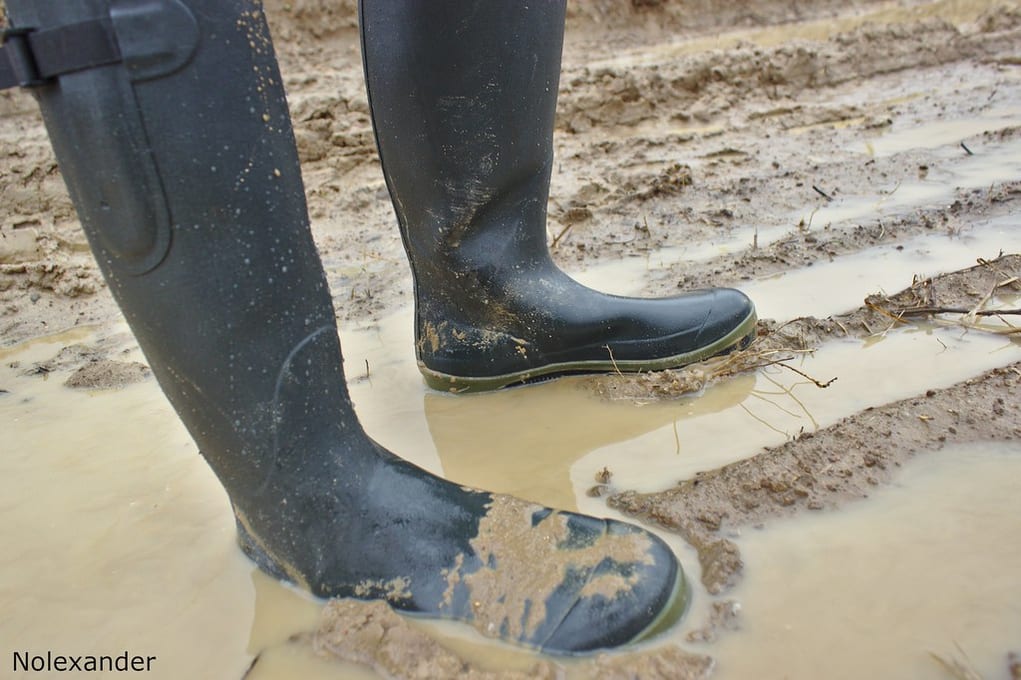
Fall is when waterproofing earns its keep: wet leaves, cold rain, morning frost, and the first slush all show up before winter does. The good news is that choosing well is simple once you know the things that actually matter: how the boot keeps water out, how tall it needs to be, what its outsole is made of, and whether you need insulation. Get those right and everything else, colour, style, brand, is just preference. Here is the full buying guide, plus where to go for the specific picks in each category.
Buy early: the fall timing advantage
The best time to buy fall boots is late summer into early autumn. New-season stock is full, popular models still have your size, and you beat the rush when the first wet cold snap sends everyone shopping at once. Buying now also gives you time to break the boots in and reproof the leather before you truly need them, which is exactly why this guide goes up before the season peaks. Retailers also tend to hold their best colourways and widths for the early window; by the time the first real cold snap hits, the popular sizes in the popular styles are already gone and you are choosing from what is left.
There is a practical reason to buy early beyond stock, too. A new boot, whether leather, suede, or a fabric-and-membrane hiker, performs better once it has been broken in and treated at least once. Boots bought in a panic during the first cold rain go straight from the box to a soaking, with no chance to flex the material or top up the factory waterproofing. Boots bought in September have weeks of dry-weather wear to shape to your foot before they ever meet a puddle.
The four things that matter
1. Real waterproofing (not “water-resistant”)
Look for a named membrane (GORE-TEX, GTX, WP) with sealed seams, or a moulded rubber shell. Vague “weatherproof” or “water-resistant” labels will soak through in a real fall downpour. If you are unsure what the labels promise, our waterproof vs water-resistant guide explains it plainly.
It helps to understand what is actually happening inside the boot. A membrane boot works because a thin layer, usually laminated between an outer material and an inner lining, is full of pores too small for a water droplet to pass through but large enough for water vapour from your foot to escape. That is why a genuine membrane boot can be both waterproof and breathable, while a boot that is simply coated or treated on the surface only resists water until the coating wears off or the seams let water through. A rubber shell boot solves the problem differently: there is no membrane and no seam to fail, the whole lower is a single waterproof piece, which is why wellies and rubber work boots stay dry even in standing water that would defeat a membrane hiker.
Seams matter as much as the material. Even the best membrane fails if water can get in through the stitching where the upper meets the sole or where panels are joined. Look for “sealed seams” or “taped seams” in the description, and check the tongue: a gusseted tongue that is sewn to the upper on both sides keeps water from pouring in over the top, which matters far more than people expect once you are wading through wet leaves or crossing a flooded gutter.
2. The right height
- Ankle/low: showers and dry-underfoot days.
- Mid: puddles, wet leaves, light trails.
- Tall: deep water, mud, slush.
A boot only keeps water out up to its collar, so match the height to the wettest conditions you expect. This is the single most common reason a “waterproof” boot lets someone down: the boot itself never failed, water simply came in over the top because the collar sat lower than the puddle, the wet grass, or the slush bank. An ankle-height boot is genuinely waterproof for a dry commute in the rain, but step off the curb into six inches of gutter water and it will lose every time to a mid or tall boot that never claimed to be better made, just built taller.
Fall conditions also change through the season and through a single day. A morning with heavy dew on the lawn, a lunchtime downpour, and an evening frost can all happen in the same 24 hours, so if you are buying one pair to cover the whole season, err on the taller side. You can always leave a tall boot unzipped or loosely laced on a dry day, but you cannot add height to a low boot when the puddle is deeper than the shoe.
3. Traction
Fall means slick pavement, wet roots, and greasy mud. A lugged rubber outsole with a bit of depth grips far better than a flat city sole. If your autumn is mostly urban, a moderate tread is enough; for trails, go deeper.
The three conditions that define fall traction, wet leaves, mud, and early frost, each ask something slightly different of an outsole. Wet leaves sitting on pavement or a trail are close to the most slippery surface a boot will ever meet, because the leaf itself acts like a thin film between the rubber and the ground; a multidirectional lug pattern with sharp edges (rather than smooth, rounded lugs) is what actually bites through that film. Mud asks for depth and spacing: shallow lugs pack with mud and turn into a slick, smooth pad within a few steps, while deep, widely spaced lugs shed mud as you walk and keep biting into the surface underneath. Early frost is deceptive because it looks and feels almost like nothing, a thin, near-invisible glaze on stone steps, metal grates, and painted curbs, and it rewards a softer rubber compound that stays pliable in the cold rather than a hard compound that goes stiff and glassy below freezing.
If you split your time between sidewalks and trails, look for an outsole with a moderate multidirectional lug and a softer, cold-flexible rubber compound rather than the deep, aggressive lugs built for mountain trails, which wear unevenly and feel clumsy on flat pavement.
4. Insulation (only if you need it)
Early fall is mostly about dry, not warm, so a breathable waterproof boot is ideal. As it turns cold, a light lining keeps toes comfortable. Save heavy insulation for the move into winter.
Insulation in a boot is usually measured in grams of insulation per square metre of material (you’ll see it written as 200g, 400g, 600g, and so on), and it is worth understanding roughly what each range is for rather than treating a bigger number as automatically better:
- Uninsulated (0g): a membrane or leather boot with no added insulating layer, relying on wool or synthetic socks for warmth. This is the right choice for most of fall in most climates, since it stays breathable and never overheats your feet during an active day.
- Light lining (100 to 200g): a thin layer of synthetic fill or a brushed fleece/wool lining. This is the sweet spot for late fall: cold mornings, standing around outside, and temperatures that dip toward freezing but are not consistently below it.
- Medium (400g): noticeably warmer and bulkier, suited to stationary cold (job sites, dog walks in freezing wind) more than active walking, where you can easily overheat and end up with damp, cold feet from sweat rather than from rain.
- Heavy (600g and up): built for genuine winter and prolonged standing in the cold. Overkill for early and mid fall almost everywhere, and worth saving for a dedicated winter boot rather than your daily fall pair.
A good rule of thumb: if you are moving for most of the time you wear the boots, size down on insulation and layer with a warmer sock instead, since insulation traps heat you generate, and an active foot generates plenty of its own.
Materials guide: what fall boots are actually made of
The upper material shapes how a boot feels, breathes, and ages more than almost anything else on the spec sheet. Fall’s mix of rain, mud, and the occasional dry, sunny week makes this choice more important than it would be in a single-condition season like deep winter.
Full-grain leather
Full-grain leather is the least processed, most durable form of cowhide, and with a waterproof or membrane lining it is a genuine fall workhorse. It molds to your foot over time, looks better as it ages rather than worse, and can be reproofed and repaired for years. The tradeoffs: it is heavier than fabric alternatives, it needs periodic conditioning and reproofing to stay water resistant (leather itself is not naturally waterproof, the finish and treatment do the work), and it takes longer to dry out fully if it does get soaked through. For most people wanting one durable, good-looking boot that handles a whole fall season, full-grain leather with sealed seams is the safest single choice.
Rubber shell
A moulded rubber shell, the material behind rain boots, wellies, and many rubber work boots, is as close to guaranteed waterproof as a boot gets, because there is no seam, stitch, or membrane to fail. It shrugs off standing water, mud, and slush without a second thought and needs almost no maintenance beyond a rinse. The tradeoffs are comfort and breathability: rubber does not breathe, so feet sweat inside it on mild days or during activity, and most rubber boots are less supportive for long walks than a leather or fabric boot built on a proper last. Rubber earns its keep for genuinely wet jobs: dog walks through soaked grass, gardening, standing water, and heavy downpours, rather than for all-day wear.
Fabric-and-membrane (hiking-style)
This is the modern nylon or synthetic-mesh upper with a laminated membrane underneath, the construction behind most waterproof hiking boots. It is the lightest of the three, dries the fastest if it does get wet on the inside, and breathes noticeably better than rubber and often better than leather. The tradeoff is durability and reproofing: the outer fabric’s water-repellent coating wears off faster than a leather finish and needs refreshing more often, and the membrane itself, while very reliable, cannot be resewn or patched the way leather can if the upper is damaged. For mixed city-and-trail use where weight and breathability matter more than heirloom durability, this is usually the best-performing option.
Fit, sizing, and break-in advice for fall boots
A waterproof boot that does not fit well will make you miserable well before any weather does, and fall boots have a few fit quirks worth knowing about before you buy.
- Account for socks. If you plan to wear a fall boot with a thicker wool or merino sock, or a pair of waterproof socks on the wettest days, try the boot on (or size up) with that sock thickness in mind. A boot that fits perfectly over a thin cotton sock can feel cramped and cut off circulation, which actually makes feet colder, once you add real insulation underfoot.
- Check the toe box, not just the length. Membrane boots do not stretch the way plain leather does, so a snug toe box will stay snug. Make sure there is room to wiggle your toes and that the boot does not pinch across the widest part of your foot.
- Break leather in gradually. Wear new leather boots around the house or on short, dry errands for a week or two before a full day on your feet. This lets the leather flex at the natural creases instead of rubbing a blister where it has not yet softened.
- Fabric-and-membrane boots need less break-in but still benefit from a few short wears to bed in the footbed and confirm the fit before a long hike or a full workday.
- Mind the collar and closure. A lace-up boot lets you fine-tune volume around the ankle far better than a slip-on, which matters for fall boots worn over thicker socks or under looser trousers.
- Half sizes and width. If you are between sizes, size up rather than down for a fall or winter boot; a little extra room accommodates thicker socks and swelling on long days, while a too-tight boot restricts circulation and makes cold feet worse, not better.
Match the boot to how you actually use it
Rather than one “best boot,” choose the category that fits where you will wear them most. Here is a closer look at the most common fall use cases and what actually matters for each.
The daily commute
Commuting means pavement, transit platforms, and the occasional dash through rain between the door and the car or the station, so the priority is a boot that looks presentable at work, sheds a sudden shower, and is comfortable to stand and walk in for a full day. A sealed leather boot or a smart membrane-lined boot in ankle or mid height, with a moderate tread rather than an aggressive lug, is the right balance. See our best waterproof hiking boots roundup for versatile options that work equally well on a platform and a weekend trail, or our best waterproof boots overview for a broader range of commute-friendly styles.
Dog walks
Dog walks happen in every condition, at odd hours, and often off pavement across wet grass, mud, and puddles a dog will walk straight through without hesitation. This is where rubber genuinely shines: a tall or mid rubber boot means you do not have to think about where you step. Check our rubber waterproof boots roundup, along with women’s rain boots and men’s rain boots for styles built specifically for this kind of repeated, unpredictable wet exposure.
The school run
The school run is short, frequent, and often rushed, so the boot needs to go on and off quickly, handle a sprint across a wet playground or car park, and still look tidy for whatever comes right after. A low or mid boot with a reliable membrane and an easy closure (a side zip or quick laces) beats anything that takes real effort to put on. The women’s rain boots and best waterproof boots roundups both have quick, practical options for this.
Light hiking
Light hiking, gravel trails, wet roots, the occasional creek crossing, needs real traction and ankle support along with waterproofing, since a slip on a wet root or loose gravel is the actual risk, not just wet feet. A mid or tall fabric-and-membrane hiking boot with a deep, multidirectional lug is the purpose-built answer here. Start with our best waterproof hiking boots roundup.
Work sites
Cold, wet job sites demand a different standard entirely: reinforced toes, supportive midsoles for standing all day on hard or uneven ground, and insulation suited to how much of the day is spent standing still versus moving. This is one case where medium or heavy insulation genuinely earns its place, since the work is often stationary in the cold rather than active. See waterproof work boots for options built to that standard.
Dressier styles
Not every fall day calls for a hiking boot, and a dinner out or a dressier office still deserves dry feet. A sealed leather Chelsea boot or a lace-up dress boot with a hidden membrane gives you the waterproofing without looking like outdoor gear. Our women’s waterproof dress boots roundup covers this category, and a suede pair benefits from a dedicated suede protector spray rather than the wax or spray meant for smooth leather, since suede needs a product that will not crush or darken the nap.
Late fall into winter and snow
As the season turns colder and wetter, the same core rules apply but the margins matter more: waterproof winter boots and snow boots add the height, insulation, and outsole compound needed once frost, slush, and eventually snow become a daily reality rather than an occasional one.
Budget vs premium: where the money goes
Fall boots span a wide price range, and it helps to know what you are actually paying for as the price climbs.
- Entry-level boots usually get the waterproofing basics right (a coated fabric or basic membrane, sealed at the major seams) but cut costs on the outsole rubber compound, the insole cushioning, and long-term durability. They are a reasonable choice for occasional wear or a first pair while you figure out what you actually need.
- Mid-range boots typically add a named, licensed membrane (rather than a generic in-house one), a better rubber compound with a more refined lug pattern, and a more supportive midsole and footbed. This tier is where most people find the best value for genuine season-long, daily use.
- Premium boots add the details that show up over years rather than days: full-grain leather that ages well and can be resoled, memory-foam or cushioned footbeds, reinforced stress points at the toe and heel, and often a longer warranty. You are also paying for brand-level quality control and, in some cases, a resoleable welt construction that lets a cobbler rebuild the boot rather than replace it.
Above premium sits the designer tier, where the price stops tracking performance altogether: our Chanel rain boots guide walks through a four-figure rubber boot that keeps feet no drier than a twenty-dollar welly, and the boots that get the look for a fraction of it.
The honest advice: buy the best waterproofing and outsole you can afford, since those two things determine whether the boot actually does its job, and treat extra cushioning, leather quality, and styling as the part of the budget you flex up or down based on how often you will wear the boots and how long you want them to last.
What to avoid
A few shortcuts show up often enough in fall boot shopping that they are worth calling out directly:
- Boots labeled only “water-resistant” or “weatherproof.” These terms are not regulated the way “waterproof” claims tend to be, and they usually mean a light coating that fails in sustained rain. Revisit our waterproof vs water-resistant guide if a listing’s language is unclear.
- A tall boot with a smooth, low-profile sole. Height without traction just moves the slipping hazard from a puddle to the wet leaves right next to it.
- Heavy insulation for an active, mild fall. Overheating causes sweat, and sweat inside a boot is just as uncomfortable as rain getting in, even though the cause is different.
- Skipping the seams and tongue construction. A boot can have an excellent membrane and still leak if the seams are not sealed or the tongue is not gusseted, so read past the headline waterproofing claim.
- Buying a size too small to “break in.” Membrane and rubber boots do not stretch meaningfully. A tight boot on day one stays a tight boot, and a tight boot restricts the air gap and sock loft that actually keeps feet warm.
A full seasonal care and reproofing schedule
Clean off mud and road salt after wet wear, dry boots away from direct heat, and reproof leather or suede with a waterproofing wax or spray at the start of the season and again mid-way through. Factory waterproofing wears down with use, and five minutes of care keeps water beading instead of soaking in. Our how to waterproof shoes at home guide has the method for each material. Add a pair of waterproof socks for the wettest days and your feet will stay dry from the first cold rain to the first snow.
Spread across the season, the routine looks roughly like this:
- Before first wear (early fall): clean off any storage dust or dirt, then apply a full reproofing treatment even if the boots are new, since factory finishes are often lighter than the aftermarket products made for repeated wet exposure. Suede or nubuck should get a dedicated suede protector spray rather than a leather wax, which can darken or flatten the nap.
- After every genuinely wet or muddy wear: knock off loose mud once it has dried rather than scrubbing it in while wet, wipe down the upper, and stuff the boots with paper or a boot form to help them hold shape while drying.
- Drying: always away from direct heat like a radiator, heater vent, or fireplace, which can crack leather and warp adhesives. Room-temperature air drying, ideally with some airflow, is slower but far better for the boot’s long-term life.
- Mid-season top-up (roughly six to eight weeks in, or after any soaking rain that left the leather looking dry or dull): reapply the same wax or spray used at the start of the season. This is the step people skip most often, and it is the single biggest reason a “waterproof” boot starts leaking partway through fall.
- Salt exposure: if your area salts roads or sidewalks once temperatures drop, rinse salt residue off with a damp cloth as soon as possible, since dried salt draws moisture out of leather and leaves a chalky stain that is much easier to prevent than to remove.
- Rubber boots: need far less attention, a rinse and a wipe-down after muddy wear is usually enough, though an occasional wipe with a rubber-safe protectant keeps the shell from turning dull and chalky over time.
Transitioning from fall into deep winter
Somewhere between mid and late fall, the questions change from “will this keep me dry” to “will this also keep me warm,” and that is the signal to reassess rather than assume your fall boots will carry you straight through winter. A boot that has been perfect for six weeks of rain and mild cold can start to feel thin and cold-footed once temperatures sit consistently near or below freezing, especially for anyone standing outside for long stretches, at a bus stop, on a job site, or on the sideline of a weekend game.
The practical way to handle the transition: keep your fall pair in rotation for active days and milder weather, since an uninsulated or lightly lined boot that breathes well is still the more comfortable choice whenever you are moving. Bring in a dedicated waterproof winter boot or a snow boot once frost becomes a daily occurrence, standing water starts freezing overnight, or actual snow enters the forecast, and let the two pairs split the season rather than asking one boot to do both jobs. Before you put the fall pair away for the coldest months, give them a final clean and reproof so they come out of storage ready to go again come spring, rather than dried out and cracking from months in a closet with old salt and mud still worked into the leather.
Frequently asked questions
What should I look for in fall waterproof boots?
Four things, in order. First, genuine waterproofing: a named membrane (GORE-TEX, GTX, WP) with sealed seams, or a rubber shell, not just 'water-resistant.' Second, the right height for your conditions: ankle for showers, mid or tall for deep puddles, slush, and wet leaves. Third, traction: a lugged rubber outsole for wet pavement and muddy trails. Fourth, insulation only if you need it: early fall is often fine uninsulated, while late fall into winter benefits from a light lining.
Do I need insulated boots for fall?
Usually not for early fall, and often yes for late fall. Early autumn is mostly about staying dry, so a breathable waterproof boot without heavy insulation is comfortable and versatile. As temperatures drop toward winter, a light insulation or a merino/fleece lining keeps toes warm without overheating. If your fall regularly turns to frost, snow, or long cold spells, size up to an insulated winter boot rather than a three-season one.
What's the best type of waterproof boot for fall 2026?
It depends on your day. For mixed city-and-trail use, a waterproof hiking boot is the most versatile. For rain, leaves, and puddles around town, a rubber rain boot or a sealed leather boot works best. For cold, wet job sites, a waterproof work boot. For style plus dryness, a sealed leather Chelsea or lace-up. Rather than one 'best' boot, pick the category that matches where you'll wear them most and go from there.
When should I buy fall boots?
Late summer into early fall is the sweet spot. New-season ranges are in stock with full sizes and colours, and you beat the rush when the first cold, wet week sends everyone shopping at once. Buying early also gives you time to break the boots in and reproof the leather before you actually need them. Waiting until mid-season often means picked-over sizes on the most popular models.
Are rain boots or waterproof boots better for fall?
They solve different problems. Rain boots (rubber wellies and Chelsea styles) are unbeatable for downpours, puddles, and muddy yards because the whole shell is waterproof, but they breathe poorly and are less comfortable for long walks. Waterproof leather or membrane boots are more comfortable and breathable for all-day wear and light hikes, but only seal water out up to the collar. Many people own one of each for fall.
How do I keep fall boots waterproof through the season?
Clean off mud and salt after wet or slushy wear, let boots dry away from direct heat, and reproof leather or suede at the start of the season and again mid-season. Waterproofing treatments and even factory seam sealing wear down with use, so a quick reproof keeps water beading instead of soaking in. Rubber boots need little more than a rinse. A few minutes of care makes a boot last several seasons.