Are Crocs Waterproof? The Material Is. The Shoe Is Not.
Croslite is genuinely waterproof, so classic Crocs survive water fine. The 13 holes mean your feet still get wet. Which versions break the rule.
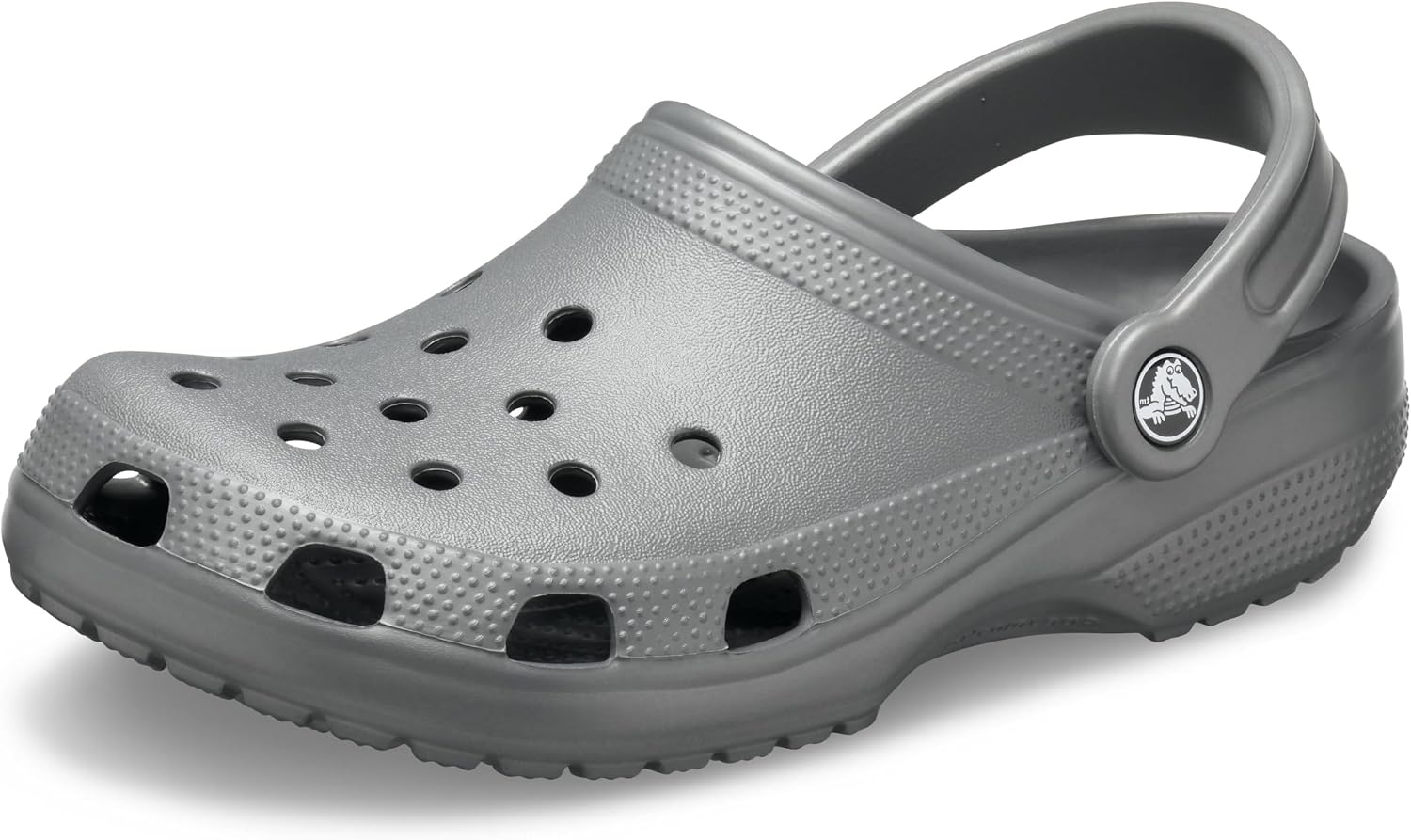
The material is waterproof. The shoe is full of holes. Both halves are true, and the gap between them is why this question keeps getting answered badly.
A Classic Clog is moulded from Croslite, a closed-cell foam resin that does not absorb water. Soak it, rinse it under a tap, leave it in a puddle: the shoe is unaffected and dries almost at once. Then count the ventilation ports on top. There are thirteen of them, and water uses every one.
So the useful answer is split. Your Crocs are waterproof. Your feet are not protected.
What that actually gets you
This is a better property than it sounds, and it is why Crocs ended up on so many people who work in wet places. Restaurant kitchens, garden beds, hospital wards, boat decks.
The value is not dry feet. It is that water is a non-event for the shoe. Nothing swells, stains, stiffens, separates or smells. You rinse it and carry on. Most “water resistant” shoes cannot survive what a Croc shrugs off, they just keep your feet dry for slightly longer first.
For where that sits against genuine waterproof construction, see waterproof vs water-resistant.
The versions that break the rule
Two exceptions are worth knowing before you buy:
Lined and fuzzy Crocs are not waterproof in practice. The shell still is, but the liner is fabric, and fabric absorbs. A wet lined pair stays wet for a long time, and being sealed in a non-breathing shell is not a combination that dries quickly or smells good.
The Bistro has no holes. It is the solid-topped style made for food service, and the absence of ventilation ports is the entire point. It will not keep out a downpour running down your leg, but it keeps spills and splashes off your foot in a way the Classic cannot.
What to wear instead, by what you are doing
- Wet work on your feet, rinseable: an unlined Classic or a Bistro is genuinely well suited, holes and all.
- Actual rain, dry feet wanted: the holes rule Crocs out. A rubber waterproof boot is the same idea done sealed, or a rain boot if you want height.
- Snow: not these. No insulation, open ports, and Croslite is slick on ice. Our waterproof snow boots is the right page.
The same question comes up about the other casual shoe people wear everywhere, and the answer runs the opposite way: Hey Dudes soak up water rather than shrugging it off, and survive it because they wash.
One last caution that has nothing to do with water: heat is what actually kills Crocs. Leaving them on a radiator, in a hot car, or drying them near a heater warps and shrinks Croslite permanently. Dry them at room temperature, which takes almost no time anyway.
Frequently asked questions
Are Crocs waterproof?
The material is, the shoe is not. A Classic Clog is moulded from Croslite, a closed-cell foam resin that does not absorb water, so the shoe itself is unharmed by getting soaked and dries almost immediately. But the Classic has thirteen ventilation holes across the top, so water walks straight in. Your Crocs will be fine and your feet will be wet.
Can Crocs get wet?
Yes, more safely than almost any other shoe. Croslite does not absorb water, swell, stain or delaminate, which is why Crocs turn up in kitchens, gardens, hospitals and on boats. You can rinse them under a tap. The only real cautions are heat, which warps them, and lined versions, where the liner is fabric and behaves like fabric.
Are lined or fuzzy Crocs waterproof?
No. The Croslite shell still is, but the fur or fleece liner is textile and soaks up water like any textile. A wet lined Crocs takes a long time to dry and can smell while it does. If you want a Crocs you can hose off, buy the unlined version and add a warm sock.
Are Crocs good in the rain?
For short exposure where you would rather the shoe did not care, yes. For keeping your feet dry, no, because of the holes. There is an in-between worth knowing: the Bistro style has a solid top with no ventilation ports, which is why it is the one used in kitchens, and it keeps far more liquid off your foot than a Classic does.
Are Crocs waterproof in snow?
Do not use them for snow. The material survives it, but the holes let snow in, there is no insulation, and Croslite gets slick on packed snow and ice. Crocs does make lined winter styles and rain boots for exactly this reason. A Classic Clog in snow is a cold, wet foot in a shoe that is technically undamaged.