Best Waterproof Winter Boots (2026)
Insulated boots for snow, slush, and ice, compared on warmth, waterproofing, and cold-weather traction, with real temperature ratings.
Winter footwear has one job that matters: keeping your feet warm and dry, in that order, without turning every walk into hard work. That’s harder than it sounds - plenty of boots are warm but leak at the seams, and plenty are waterproof but freeze your toes the moment you stand still.
The boots below are everyday winter boots: insulated, genuinely waterproof, and comfortable enough to actually walk in. If you need something taller and warmer for deep powder and severe cold, see our best waterproof snow boots. For a broader view across every kind of boot, start with our best waterproof boots guide, and if you’re on a jobsite rather than a sidewalk, our best waterproof work boots guide is the better fit.
How we picked
We prioritised four things. Warmth - insulation weight, lining, and how a boot performs when you stop moving. Waterproofing - sealed seams and full membranes, not just a water-repellent finish that fails in slush. Traction - specifically the rubber compound, because cold-rated rubber matters more on ice than deep lugs do. And walkability, because the warmest boot in the world is useless if it’s too clumsy to wear daily.
Every pick is held to the same five-criteria scorecard below, and we screened out boots with weak owner ratings or too few reviews to judge.
Insulation, in plain terms
Insulation is measured in grams per square metre of the insulating layer. More grams means more warmth and more bulk:
- 100g - cold commutes and mild winters; least bulk.
- 200g - the everyday sweet spot for freezing temperatures and active use.
- 400g - deep cold, or standing around outside for long stretches.
- 600g and up - stationary work in severe cold; overkill for daily wear.
Activity level changes everything. A 200g boot feels warm while you’re walking and cool once you stop, which is why people who stand still outside should size up on insulation rather than on the boot itself.
Want a Chelsea instead? See our waterproof Blundstone picks.
Getting the most from a winter boot
Dry the liner properly - pull the footbed out overnight rather than parking the boots on a radiator, since direct heat cracks leather and delaminates glue. Wash road salt off before it dries, because salt draws moisture into leather and leaves it stiff and pale. And re-treat waterproof leather once water stops beading; a membrane can only do its job if the outer layer isn’t waterlogged.
How we test waterproof shoes
Every pick is scored on the same five criteria and cross-checked against real owner feedback - so the ranking reflects how a shoe holds up, not its spec sheet.
Waterproofing
How well it seals - GORE-TEX, eVent, or a quality liner, with gusseted tongues and taped seams.
Traction
Outsole compound and lug pattern, and real grip on wet rock, gravel, and slick mud.
Support
Midsole stiffness, torsional rigidity, and stability on uneven ground and under a pack.
Comfort
Fit and width options, cushioning, break-in, and weight over long days.
Durability
Upper toughness, toe and heel protection, and how it holds up season after season.
Best overall
The North Face Chilkat V 400
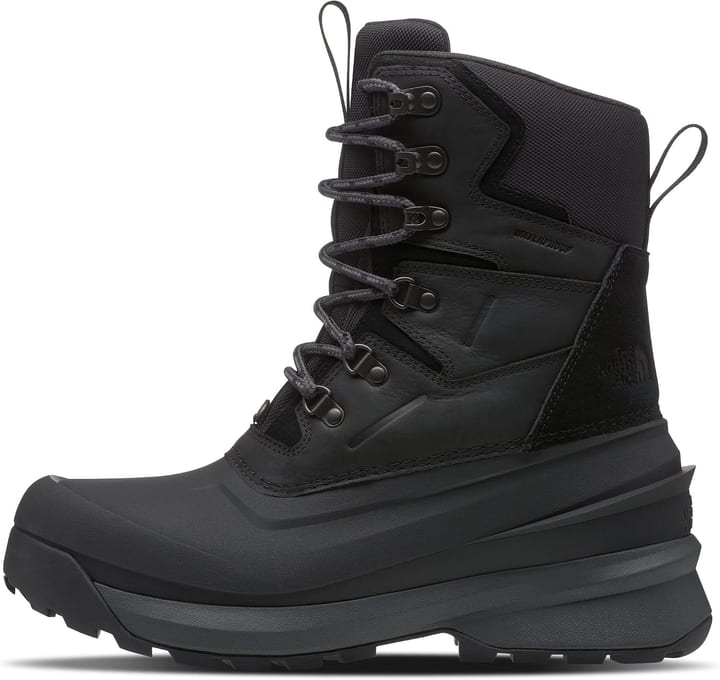
The most complete everyday winter boot here. A seam-sealed leather and TPU shell keeps slush out, 400g of Heatseeker Eco insulation handles genuinely cold mornings, and the outsole grips far better than the average pac boot - while still walking naturally enough for a real commute. A heel clip even takes snowshoes.
Pros
- 400g insulation for serious cold
- Grippy, walkable winter outsole
- Seam-sealed shell sheds slush
Cons
- Runs slightly small
- Bulkier than lifestyle boots
Best value
Columbia Bugaboot III
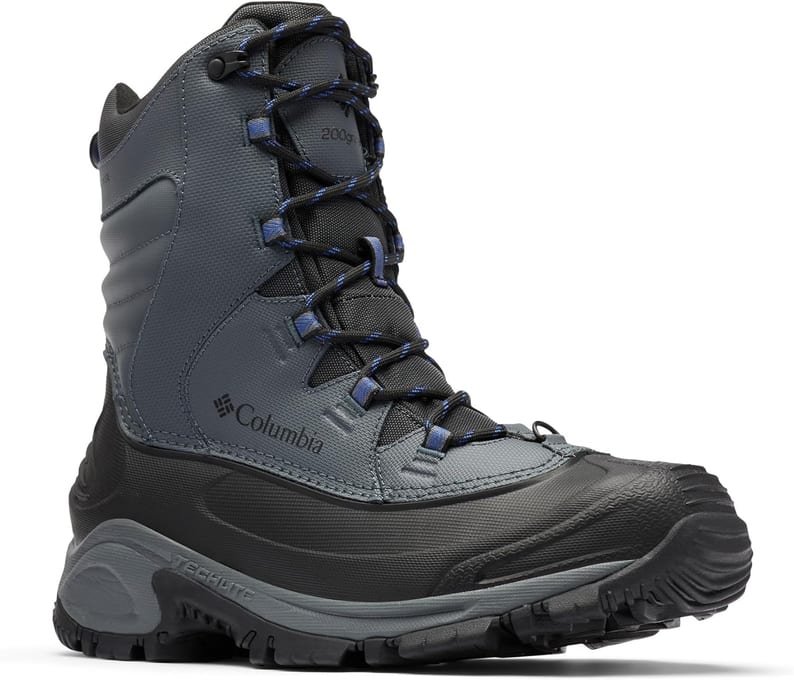
The value benchmark in winter boots. You get 200g of insulation, a microfleece lining, and a cushioned midsole for well under what the big names charge, and it's comfortable straight out of the box. The 7-inch shaft keeps it manageable for daily wear - just don't expect it to handle deep drifts.
Pros
- Excellent warmth for the price
- Comfortable with no break-in
- Cushioned, walkable midsole
Cons
- Some reports of long-term durability issues
- Shorter shaft lets deep snow over the top
Best for ice
KEEN Revel IV EXP Mid Polar
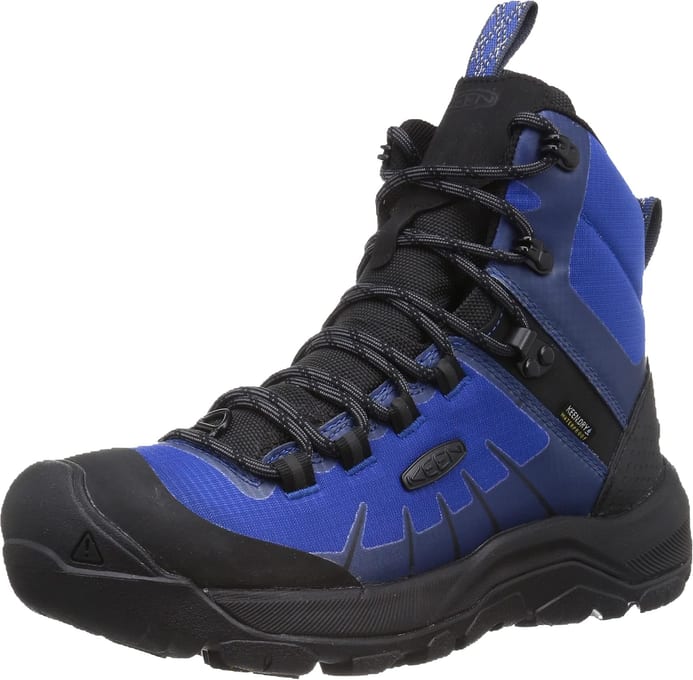
If your winter problem is ice rather than snow, this is the pick. KEEN's cold-rated outsole compound stays pliable well below freezing, where ordinary rubber goes hard and skates. Add 200g of insulation and KEEN's famously roomy fit - which leaves space for a genuinely thick sock - and it's the most sure-footed boot here.
Pros
- Cold-rated rubber grips icy ground
- Roomy fit takes thick socks
- Warm without excessive bulk
Cons
- Chunky profile
- Needs a short break-in
Best low-bulk pick
Merrell Thermo Chill Mid Waterproof
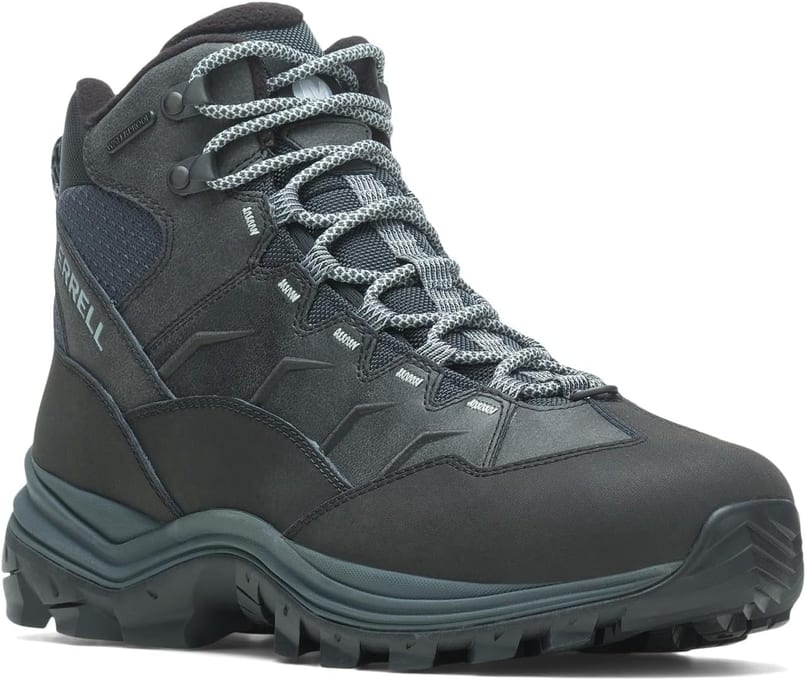
Closer to a winterised hiking boot than a pac boot, and that's the appeal: it walks easily, weighs little, and still packs 200g of insulation behind a waterproof membrane. The right call for packed sidewalks, dog walks, and winter trails where a heavy boot would be overkill.
Pros
- Light and easy to walk in
- Strong heat retention for the weight
- Hiking-grade traction
Cons
- Less ankle support than pac boots
- Not for deep snow
Best support
Salomon Toundra Pro CSWP
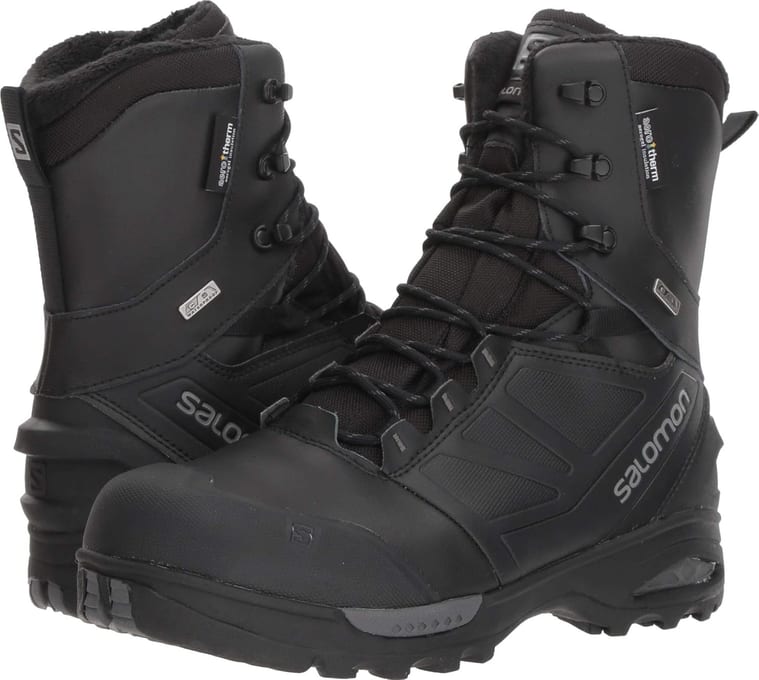
The technical option. Salomon builds this like a winter hiking boot - a structured, supportive chassis with aerogel insulation and a properly aggressive winter outsole - so it holds your foot far better than a sloppy felt-lined pac boot. The pick if you cover real distance in the cold.
Pros
- Genuinely supportive, athletic fit
- Aerogel insulation for deep cold
- Aggressive winter traction
Cons
- Close-fitting; size carefully
- Firmer than casual winter boots
Most comfortable
Oboz Bridger 8" Insulated B-DRY
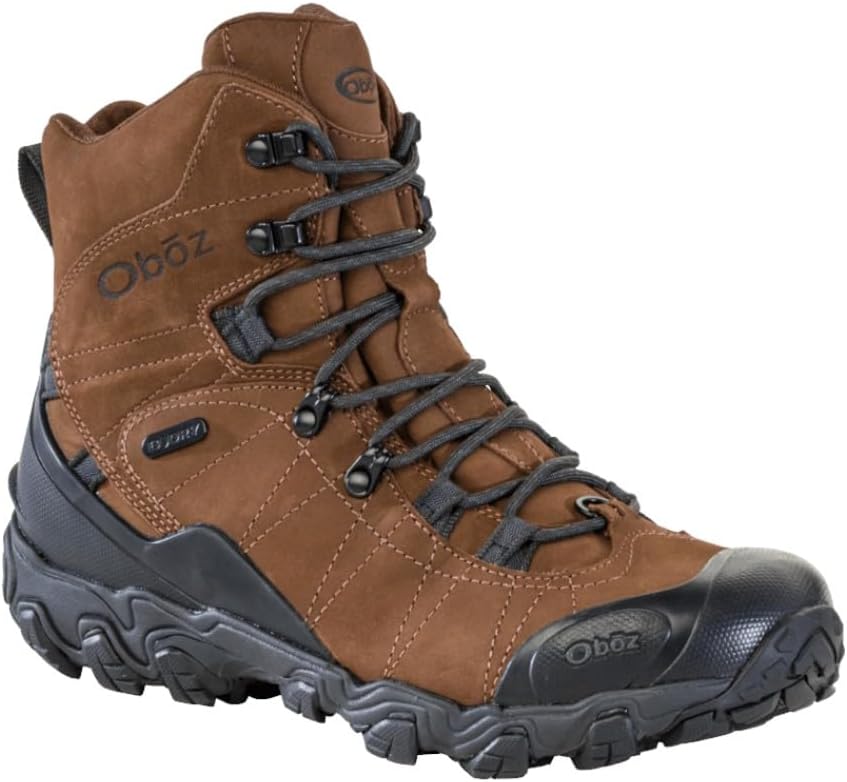
Oboz builds one of the best stock insoles in the business, and it shows here - this is the boot to wear when you're on your feet all day in the cold. An 8-inch waterproof upper, 200g of insulation, and a winter-specific rubber compound make it a hiking boot that happens to be built for February.
Pros
- Outstanding out-of-box footbed
- Winter-specific rubber for cold traction
- Supportive 8-inch build
Cons
- Premium price
- Less known than the big brands
Best lightweight
The North Face ThermoBall Versa
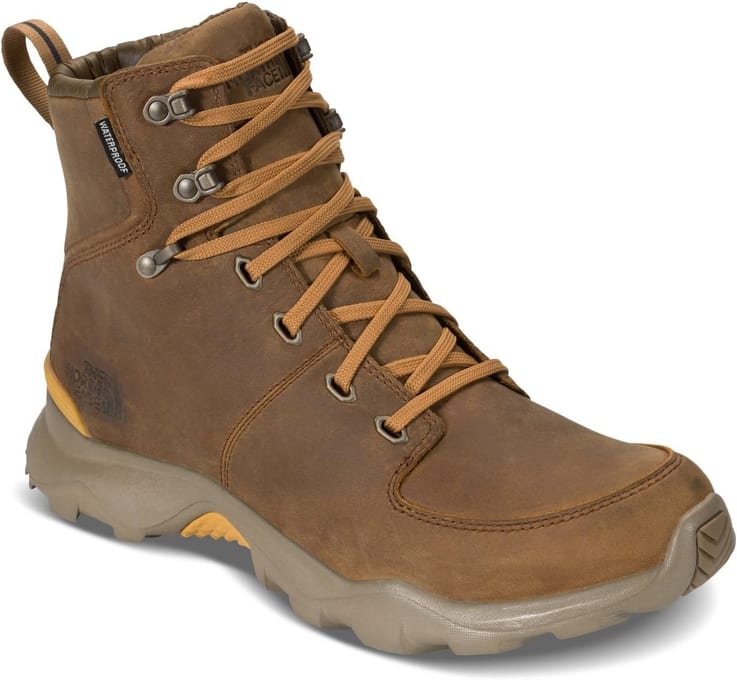
The lightest way to stay warm here. ThermoBall synthetic insulation gives down-like warmth for very little weight, and the waterproof leather upper handles wet sidewalks - but with roughly 100g through the vamp, it's built for a cold commute rather than a cold snap. Wear it when a full pac boot is too much boot.
Pros
- Noticeably light on the foot
- Waterproof leather upper
- Very comfortable for daily wear
Cons
- Least insulated pick here
- Modest traction in real snow
Also worth considering
Strong, well-reviewed shoes that just missed our ranked list - worth a look if the picks above aren't quite right for you.
- Timberland Chillberg Waterproof Insulated Mid - The pick for people who don't want to look expedition-bound on the way to the office - a fully waterproof, PrimaLoft-insulated boot that reads as normal footwear, comfortable if a touch light on ice traction.
- Columbia Fairbanks Omni-Heat - A hiking-boot-shaped alternative to the Bugaboot with 200g insulation and Columbia's reflective Omni-Heat lining - a favourite budget pick for people who want a boot that walks well.
- Muck Arctic Excursion Mid - A lighter, cheaper take on Muck's neoprene winter line - completely impervious to slush, and a smart pick if wet feet bother you more than cold ones.
- Danner Arctic 600 Side-Zip - A side zip makes it the easiest boot here to get on and off, with a Vibram winter outsole and 200g PrimaLoft behind a waterproof membrane. Premium price, premium build.
Frequently asked questions
How much insulation do I need in a winter boot?
For most everyday winter use - commuting, errands, school runs, shovelling the walk - 200g of synthetic insulation is the sweet spot: warm enough for freezing temperatures without cooking your feet indoors. Step up to 400g if you're standing around outside in deep cold, or if you simply run cold. Above 400g is specialist territory for stationary work in severe cold.
What do temperature ratings actually mean?
Treat them as marketing shorthand, not a guarantee. Brands test in different ways and rarely publish their method, so a boot 'rated to -40°F' is not certified to keep you comfortable at -40°F. Ratings are most useful for comparing boots within a single brand's line. Real-world warmth depends far more on your socks, your activity level, and whether the boot fits without compressing your foot.
Are winter boots and snow boots the same thing?
They overlap, but not quite. The boots here are everyday insulated winter boots - warm, waterproof, and easy to walk in around town. Dedicated snow boots go taller, add removable liners, and target deep powder and severe cold. If you're regularly wading through deep snow, see our snow boot guide instead.
Is a waterproof membrane or a rubber shell better for winter?
A membrane boot (GORE-TEX or a brand's own) breathes better and walks more naturally - the right call for daily wear. A rubber or neoprene shell is completely impervious, which wins in standing slush and wet snowmelt, but breathes poorly and feels clunkier. For sidewalks and commuting, membrane boots are usually the more comfortable choice.
What matters most for traction on ice?
Rubber compound matters more than lug depth. Deep lugs bite loose snow but do little on hard ice - what helps there is a softer, cold-rated rubber that stays pliable below freezing, sometimes with glass or silica particles blended in. Look for winter-specific compounds; for genuine ice, add slip-on traction cleats.
How should winter boots fit?
Leave room for a thicker sock and a little air - trapped air is what actually insulates. A boot cinched tight over a heavy sock compresses the insulation and restricts circulation, which makes your feet colder, not warmer. Many winter boots run small, so try them on with the socks you'll actually wear.