Best Waterproof Spray for Shoes (2026): Repellents Ranked
Water-repellent sprays for leather, suede, canvas, and mesh, from budget to Saphir Super Invulner: what actually works, and how to apply it.
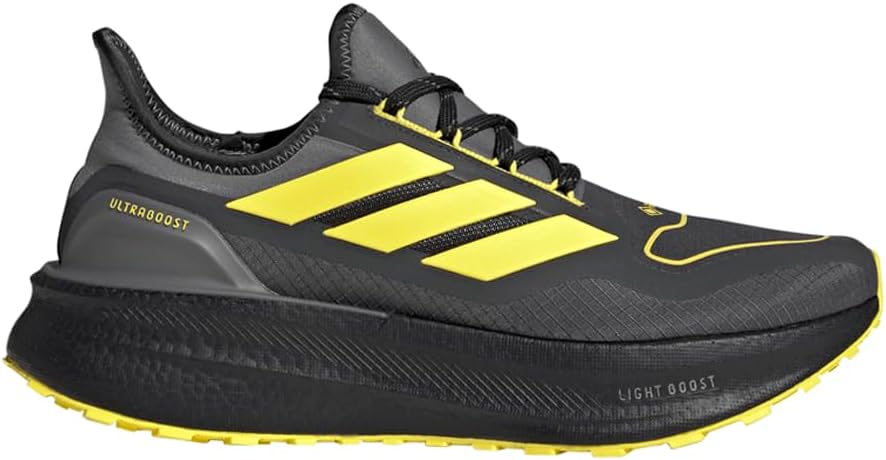
A good waterproof spray is the cheapest upgrade you can give your shoes: a few minutes and one can turns everyday sneakers or boots into water-shedding, stain- resistant versions of themselves. It will not replace a true rain boot, but for protecting the shoes you already own, it is hard to beat. Here are the best water-repellent sprays, matched to the material you are protecting.
First, what a waterproof spray can and cannot do
A spray adds a durable water repellent (DWR) layer so water beads and rolls off. That gives you real, useful water-resistance for rain, splashes, and light puddles. It does not add a sealed membrane, so it is not the same as a shoe that is waterproof by design. Think “top up,” not “permanent seal,” and match the spray to the material.
How a waterproofing spray actually works
Every waterproof or water-repellent spray is trying to do the same basic job: coat the outer fibers or grain of a shoe with a finish that has very low surface energy, so water cannot spread out and wet the material. Instead of soaking in, water pulls itself into round beads and rolls off, taking dust and light dirt with it. This coating is what shoe care brands mean by durable water repellent, or DWR, the same technology used on rain jackets, tents, and hiking boots.
DWR is a surface treatment, not a barrier. It changes how water behaves on contact with the material, but it does not fill the gaps between fibers or seal seams and stitching. That is why a sprayed pair of canvas sneakers will shrug off a rain shower yet still let water through if you stand in a puddle for a while, and why the difference between “waterproof” and “water-resistant” matters more than the marketing copy on the can suggests. A spray gives you the second, not the first.
DWR also wears off. Every time you flex, scuff, or walk on wet ground, some of the coating rubs away or gets washed out, and UV light and dirt buildup break it down further. That is normal, and it is exactly why every spray on this list is meant to be reapplied every so often rather than used once and forgotten.
Silicone, fluoropolymer, and water-based sprays: what is the difference?
Not all waterproofing sprays are built the same way, and the chemistry behind a spray affects how well it works, what it is safe to use on, and how it ages.
- Silicone-based sprays coat the surface in a flexible silicone film. They repel water well and are usually inexpensive, but the coating can sit on top of the material rather than bonding to it, which sometimes leaves a slight sheen, can feel a little stiff on soft leather, and may reduce breathability on fabric shoes if applied too heavily.
- Fluoropolymer (fluorocarbon) sprays use a resin built around fluorine chemistry, giving an extremely low-friction surface that beads water and oil-based stains alike. This is the technology behind premium treatments like Saphir Super Invulner, and it is prized in professional shoe care because it protects without noticeably changing color, texture, or breathability. Older fluorocarbon formulas relied on long-chain PFCs, which are now heavily restricted for environmental and health reasons; most reputable brands, including Saphir and Nikwax, have moved to short-chain or PFC-free fluorocarbon and non-fluorocarbon formulas that perform similarly without the same environmental persistence. If PFC content matters to you, check the can or product listing, most modern sprays now advertise themselves as “PFC-free” or “PFC-ecological” specifically because of this shift.
- Water-based (non-aerosol, wax- or polymer-emulsion) sprays carry the repellent in water rather than a solvent or propellant. They tend to be the most breathable option, are safe on technical membranes like GORE-TEX, and produce the least fumes indoors, which is part of why Nikwax’s fabric and leather formulas are built this way. The tradeoff is that they can need a slightly heavier or more even application to match the durability of a fluorocarbon spray.
None of these is strictly “better” in isolation. The right choice depends on the material you are protecting and how much you care about breathability, shine, and eco footprint, all covered material-by-material below.
The best waterproof sprays for shoes
1. Nikwax Fabric & Leather Proof - best all-round
Nikwax Fabric & Leather Proof is the spray to reach for first. Water-based and safe on GORE-TEX, it restores water repellency across leather, fabric, and mixed-material footwear, which covers most sneakers, trainers, and everyday boots. Easy to apply, no harsh fumes, and it just works.
2. Crep Protect - best for sneakers
Crep Protect Shoe Protector Spray is the sneaker world’s default. Its nano coating repels rain and stains on leather, suede, nubuck, canvas, and mesh, dries invisibly, and one can protects a lot of pairs. If your main concern is keeping white trainers white, this is the one.
3. Saphir Super Invulner - best premium (the “Invulner” spray)
Saphir Medaille d’Or Super Invulner, often searched simply as “Invulner,” is the premium French treatment shoe-care specialists swear by. Silicone-free, it uses a fluorinated resin to repel water, snow, dirt, and grease across leather, suede, nubuck, and textile, and its neutral, slow-drying formula is made specifically not to alter colour or texture. For good leather and suede, it is the best protection money can buy.
4. WITOROR Shoe Protector Spray - best for suede
WITOROR Shoe Protector Spray brings nano-scale water and stain resistance to suede and nubuck. It is a reliable, do-everything choice for textured leather; for a full suede lineup, see our best suede protector spray guide.
5. Nikwax Waterproofing Wax for Leather - best for smooth leather
For smooth leather boots and shoes, a wax outperforms a spray. Nikwax Waterproofing Wax for Leather is a cream you work into the grain to restore water repellency and condition the leather at the same time. It can slightly darken leather, so test a hidden spot first.
Waterproofing spray by material: what to use, and what to avoid
Matching the spray to the material is the single biggest factor in whether a treatment looks good and lasts, more than which brand you buy.
Smooth leather (dress shoes, leather sneakers, most leather boots)
Smooth, full-grain leather is porous and benefits from something with more substance than a thin aerosol mist. A wax or cream, like Nikwax Waterproofing Wax for Leather, gets worked into the grain and conditions the leather while it waterproofs it, so the leather stays supple instead of drying out. A spray can still work as a light top-up between wax treatments, but avoid heavy silicone sprays on your best leather shoes: repeated use can build up a film that dulls the finish over time. Always test on a hidden spot first, since wax and some sprays can darken lighter leathers slightly.
Suede and nubuck
Suede and nubuck have a raised nap that traps water differently than smooth leather, and a wax or cream will flatten and stain that nap permanently. Use a dedicated suede and nubuck spray, such as WITOROR Shoe Protector Spray, which is formulated to protect without crushing the texture. Brush the suede gently before and after spraying to keep the nap standing up, and see our full best suede protector spray guide for a deeper comparison if suede is most of your collection.
Canvas, mesh, and mixed-material sneakers
Most sneakers combine two or three materials, canvas or textile uppers, mesh panels, leather overlays, rubber soles, which is exactly the case a broad fabric-and-leather spray is built for. Nikwax Fabric & Leather Proof and Crep Protect both handle mixed uppers in one pass. Keep in mind that very open mesh has actual holes for airflow, no spray closes those, so expect strong splash resistance rather than true waterproofing on running shoes and lightweight trainers.
GORE-TEX and other waterproof membranes
Shoes with a waterproof membrane are already sealed on the inside. The DWR on the outer fabric is a second layer whose job is to stop the outer material from soaking up water and going cold and heavy, not to make the shoe waterproof by itself. When that outer DWR fails, the shoe can start to feel damp and “wet out” on the surface even though the membrane underneath is still keeping water out. Reapply with a water-based spray safe for membranes, like Nikwax Fabric & Leather Proof, and avoid heavy silicone or wax products, which can clog the membrane’s pores and reduce its ability to let sweat vapor escape.
Match the spray to the material
- Sneakers, canvas, mesh, mixed: Nikwax Fabric & Leather Proof, or Crep Protect
- Suede and nubuck: a suede-specific spray (WITOROR, or see our suede protector guide)
- Smooth leather: a wax or cream, not a thin spray
- Premium leather and suede: Saphir Super Invulner
- UGGs and sheepskin: see our UGG protector spray guide
How to apply waterproofing spray safely
Getting a longer-lasting result is less about which can you buy and more about how you apply it.
- Start with clean, fully dry shoes. Dirt and old DWR residue block the new coating from bonding, so brush off debris and, if the shoes are muddy or salt-stained, clean and fully air-dry them first, ideally overnight.
- Work outdoors or in a well-ventilated space. Aerosol sprays, especially fluorocarbon and silicone formulas, release fumes you do not want to breathe in a closed bathroom or bedroom. Spray outside, in a garage with the door open, or at minimum next to an open window with a fan running.
- Hold the can 15-20cm away and keep it moving. Spraying too close pools the liquid in one spot rather than laying down an even film, and can oversaturate suede or leave streaks on leather.
- Do not forget the seams, welts, and stitching. These are the weak points where water gets in first, so give them a slightly closer pass without soaking them.
- Apply in thin coats, not one heavy one. Two light coats, allowed to dry between each, bond and last far better than a single soaked application. Most sprays recommend 2-3 coats for new shoes and a single top-up coat for maintenance.
- Let it dry, then let it cure. “Dry,” usually 15-30 minutes, just means the surface is no longer wet to the touch; “cured,” when the DWR has fully bonded, can take 12-24 hours depending on the product and humidity. Avoid wearing the shoes in wet conditions until they have cured.
- Wipe off any excess. If a spray pools or leaves a white haze, especially on dark suede or nubuck, a soft brush or cloth once it is dry will lift the residue without undoing the treatment.
For a full step-by-step walkthrough with material-specific timing, see our how to waterproof shoes at home guide.
How long waterproofing spray lasts, and when to reapply
Durability depends on the formula, the material, and how hard you are on your shoes, but as a general guide, expect a light aerosol spray to hold up for several weeks of regular wet-weather wear, and a premium fluorocarbon treatment like Saphir Super Invulner to last closer to a couple of months per application before it noticeably fades. Frequent rain, mud, abrasion against pavement, and machine washing all strip DWR faster than gentle use.
You do not need to guess. Run the bead test: pour or flick a few drops of water onto the shoe. If the water sits up in round beads and rolls off, the DWR is still active. If it flattens out, darkens the material, or soaks in within a few seconds, the coating has worn through and it is time to reapply, regardless of how long it has been since the last treatment.
As a rough reapplication schedule:
- At the start of wet-weather season, treat every pair you plan to wear in rain.
- Every 4-6 weeks during heavy use (daily commuting, hiking, wet climates).
- After every deep clean, since washing strips old DWR along with the dirt.
- Immediately if the bead test fails, even if it has only been a couple of weeks.
Cost per use: is a premium spray worth it?
One can of waterproofing spray typically treats several pairs of shoes across multiple applications, which makes even a premium option like Saphir Super Invulner cost only a small amount per treatment once you divide it out. The real comparison is not the price on the shelf, it is how many coats you get and how long each one lasts.
A cheaper silicone spray that needs reapplying every couple of weeks and takes three coats to fully protect a pair can end up costing more per year, in product and in time, than a fluorocarbon spray that holds up for two months on one or two coats. If you wear the same pair of shoes daily through a wet season, paying more for a treatment that lasts longer is usually the better value. If you are treating an occasional pair of sneakers before a trip, a budget all-rounder like Nikwax Fabric & Leather Proof is plenty and keeps cost per use low either way.
Common mistakes that shorten the life of a waterproofing job
- Spraying dirty or wet shoes. DWR needs to bond to the material itself, not a layer of dust, salt, or leftover moisture.
- Using the wrong formula on the wrong material. A wax made for smooth leather will crush suede’s nap; a heavy silicone spray on a GORE-TEX shoe can clog the membrane. Match the spray to the material every time.
- One heavy coat instead of two light ones. Oversaturating leaves streaks, pooling, and uneven protection, and wastes product.
- Skipping the cure time. Wearing shoes in the rain before the DWR has fully bonded washes off treatment you just paid for.
- Spraying indoors without ventilation. Beyond the smell, breathing concentrated aerosol fumes in a small room is genuinely bad for you, always spray outside or by an open window.
- Forgetting the seams and stitching. These fail before the main upper does, so give them a bit of extra attention.
- Assuming one application lasts forever. DWR wears off with use. Run the bead test occasionally and reapply rather than waiting for shoes to actually let water through.
Which waterproofing spray should you buy?
If you only remember one thing: match the spray to the material, then pick the option that fits your budget within that category.
- Want one spray for almost everything you own? Nikwax Fabric & Leather Proof covers leather, fabric, and mixed uppers, is safe on GORE-TEX, and is the easiest default to keep on hand.
- Mostly sneakers? Crep Protect is built for exactly that, with a nano coating that dries invisibly across leather, suede, canvas, and mesh.
- Investing in good leather or suede dress shoes and boots? Saphir Super Invulner is worth the premium; its fluorinated resin protects without changing color or texture, which is exactly what you want on shoes you have already spent real money on.
- Suede or nubuck specifically? A dedicated suede-safe spray like WITOROR Shoe Protector Spray protects the nap without flattening it. See our best suede protector spray guide for more options.
- Smooth leather that needs conditioning as well as waterproofing? Nikwax Waterproofing Wax for Leather does both in one product.
- Sheepskin or UGGs? Skip everything above and use a formula made for sheepskin specifically, our best UGG protector spray guide covers the right picks.
The bottom line
Buy Nikwax Fabric & Leather Proof as your everyday all-rounder, Crep Protect for sneakers, and Saphir Super Invulner if you want the premium “Invulner” treatment for good leather. And remember: a spray makes shoes water-resistant, not waterproof. When you need genuinely dry feet, start with shoes that seal water out by design, like our best waterproof hiking shoes and best waterproof boots.
Frequently asked questions
What is the best waterproof spray for shoes?
For most people, Nikwax Fabric & Leather Proof is the best all-round waterproof spray: it restores water repellency across leather, fabric, and mixed-material footwear, is water-based, and is safe on GORE-TEX. For sneakers, Crep Protect is the go-to nano spray; for premium leather and suede, Saphir Super Invulner is the cobbler's choice; and for suede and nubuck specifically, a dedicated suede protector works best.
Does waterproof spray for shoes actually work?
Yes, within limits. A waterproof or water-repellent spray adds a durable water repellent (DWR) layer that makes rain, splashes, and light puddles bead up and roll off instead of soaking in. It genuinely keeps your feet drier and your shoes cleaner in everyday wet. What it cannot do is turn a non-waterproof shoe into a sealed rain boot, because there is no membrane inside and water can still enter over the collar or through the seams in heavy, sustained wet.
Is waterproof spray the same as water-repellent spray?
In practice, mostly yes: both describe a spray that makes water bead and roll off. Technically 'water-repellent' is the more accurate term, because a spray adds surface repellency rather than a true internal waterproof barrier. Marketing uses 'waterproof spray,' 'water-repellent spray,' and 'shoe protector spray' interchangeably. Just know that any spray gives you water-resistance you top up, not a permanent seal.
What is Invulner spray?
Invulner refers to Saphir Medaille d'Or Super Invulner, a premium French waterproofing spray. It is silicone-free and uses a fluorinated resin to repel water, snow, dirt, grease, and stains across leather, suede, nubuck, and textile. It is prized because it protects without altering the colour or texture of the material and does not leave white marks, which is why high-end shoe care specialists recommend it for good leather and suede footwear.
How long does waterproof spray last on shoes?
Typically a few weeks to a couple of months of regular wet-weather wear before it fades, with premium formulas lasting a bit longer per coat. Rain, mud, abrasion, and cleaning all strip it faster. Reapply at the start of a wet season, again mid-season, and always after you deep-clean the shoes. When water stops beading and starts soaking in, it is time to respray.
Can you use waterproof spray on any shoe?
You can improve almost any shoe's water resistance, but match the spray to the material: a fabric-and-leather spray for canvas, mesh, and mixed sneakers; a suede- and nubuck-specific spray for suede; and a wax or cream for smooth leather. Very open mesh will always let some water through no matter what you spray on. Always spray clean, dry shoes and test a hidden spot first.