Best Waterproof Hiking Boots (2026): Durable & Stylish Picks
GORE-TEX and leather boots from light day hikers to backpacking mids, compared on how dry and stable they stay, how long they last, and how they look.
A good waterproof hiking boot adds the support, protection, and stability that a low shoe can’t - ankle support on rough ground, a stiffer platform under a heavy pack, and taller waterproofing through mud and streams. Below are the best waterproof boots, from nimble day-hiking mids to burly backpacking boots, each held to our five-criteria test.
Prefer a lighter low-cut shoe? See our best waterproof hiking shoes; for the style-led picks, see the boots below. For the two mid boots most people end up choosing between, see Merrell Moab vs KEEN Targhee. For the Terrex line specifically, see adidas waterproof shoes. For boots beyond the trail, our best waterproof boots roundup spans every use, and waterproof work boots covers all-day standing and site safety.
How we picked
We chose boots across the full range - light day hikers to supportive backpacking mids - and scored each on waterproofing, traction, support, comfort, and durability. We matched our picks to real use cases, so you can choose the right amount of boot for your loads and terrain.
How we test waterproof shoes
Every pick is scored on the same five criteria and cross-checked against real owner feedback - so the ranking reflects how a shoe holds up, not its spec sheet.
Waterproofing
How well it seals - GORE-TEX, eVent, or a quality liner, with gusseted tongues and taped seams.
Traction
Outsole compound and lug pattern, and real grip on wet rock, gravel, and slick mud.
Support
Midsole stiffness, torsional rigidity, and stability on uneven ground and under a pack.
Comfort
Fit and width options, cushioning, break-in, and weight over long days.
Durability
Upper toughness, toe and heel protection, and how it holds up season after season.
Best overall
Salomon X Ultra 4 Mid GTX
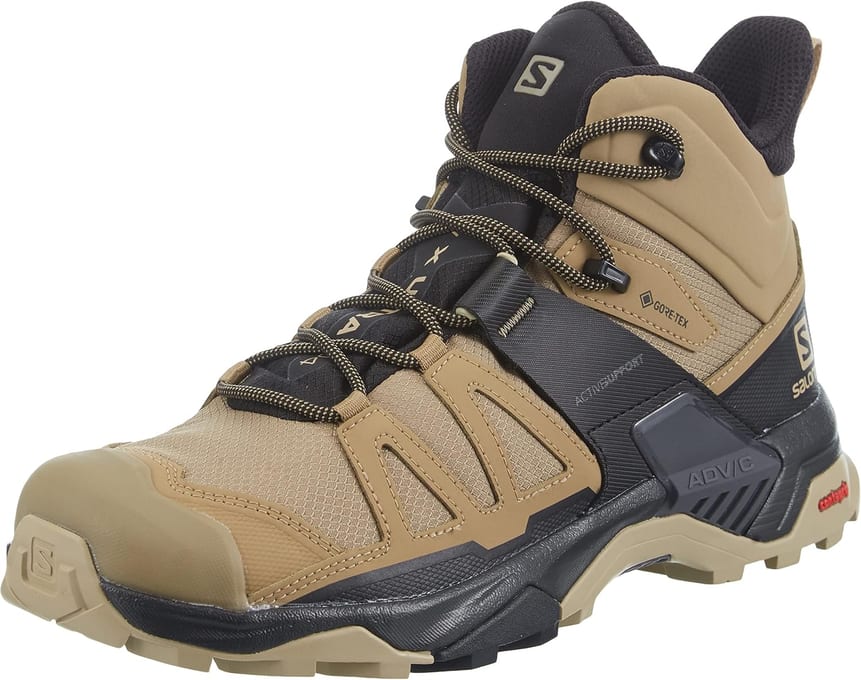
The most well-rounded mid boot: light and agile like a shoe, but with a stabilizing Advanced Chassis, a grippy Contagrip outsole, and a secure GORE-TEX build. Confident on wet rock and technical descents without the weight of a heavy boot.
Pros
- Light yet supportive and stable
- Excellent wet-terrain traction
- Secure GORE-TEX fit for descents
Cons
- Runs slightly narrow
- Not stiff enough for very heavy loads
Best for backpacking
Salomon Quest 4 GORE-TEX
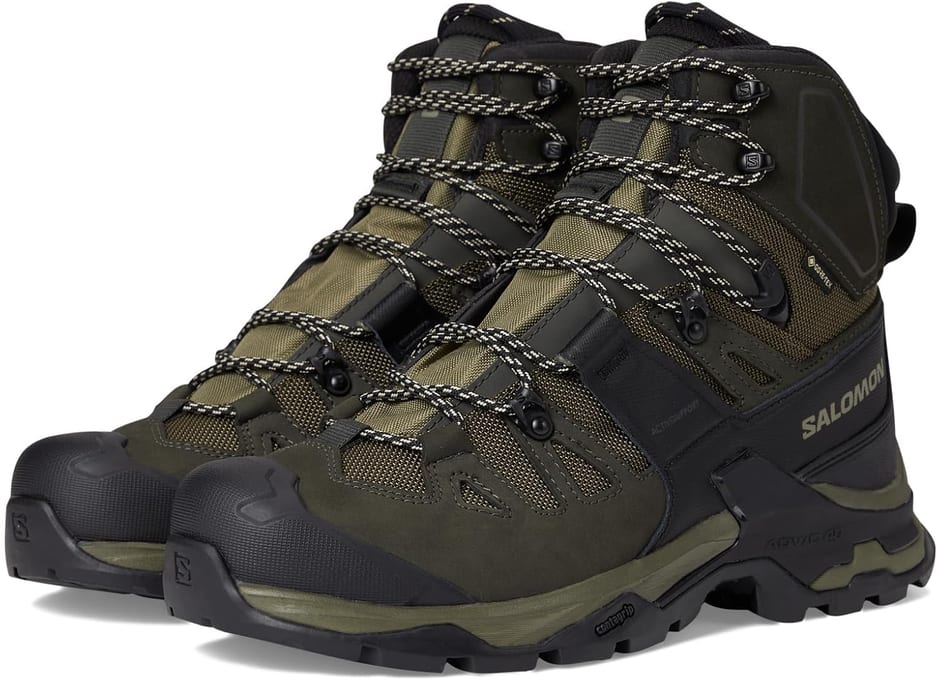
When you are carrying a heavy multi-day pack, the Quest 4 is the boot: a stiff, stable chassis and supportive ankle cuff protect your feet on rugged, off-trail terrain, while GORE-TEX and Contagrip keep you dry and sure-footed.
Pros
- Outstanding support for heavy loads
- Stable on rough, off-trail terrain
- Durable and fully waterproof
Cons
- Heavier and stiffer than day hikers
- Overkill for light trails
Best premium all-rounder
Lowa Renegade GTX Mid
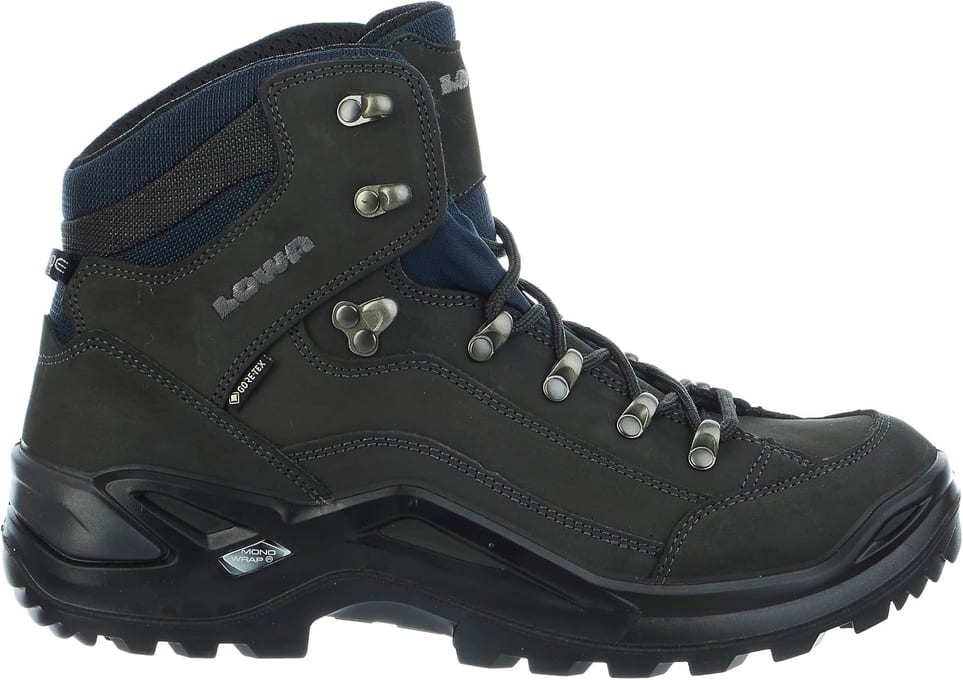
A cult classic for 25 years, and for good reason. The Renegade's award-winning fit, supportive MONOWRAP frame, GORE-TEX lining, and grippy Vibram sole make it one of the most comfortable and versatile boots you can buy - handmade in Europe and resoleable.
Pros
- Superb, supportive fit out of the box
- Durable, resoleable, handmade
- GORE-TEX plus grippy Vibram
Cons
- Premium price
- Standard fit runs a touch narrow
Most cushioned
HOKA Anacapa 2 Mid GTX
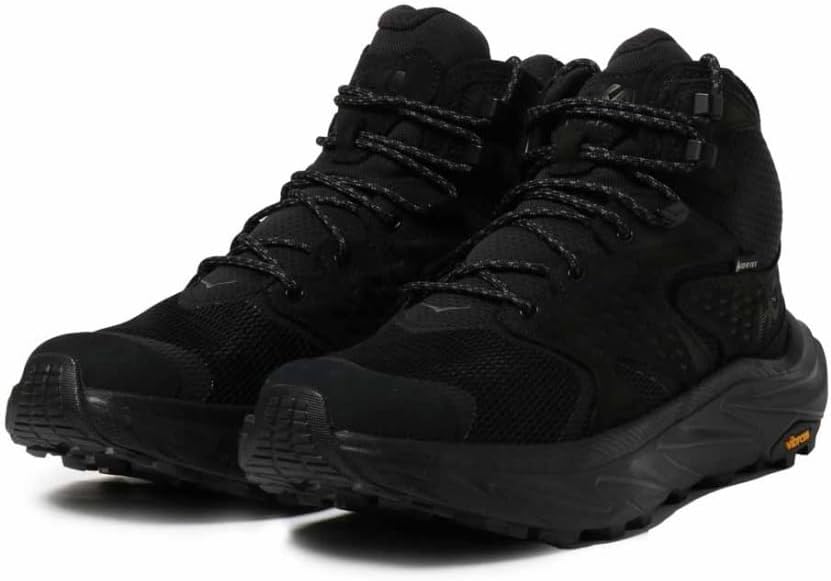
For long, wet miles in maximum comfort, HOKA's plush stack plus GORE-TEX and Vibram Megagrip keeps feet cushioned, dry, and grippy. Recycled yarns and a sugarcane-based midsole are a bonus.
Pros
- Exceptional cushioning for long days
- Grippy Vibram Megagrip; recycled materials
- Waterproof GORE-TEX
Cons
- Tall stack is less stable under heavy loads
- Premium price
Best for wide feet
KEEN Targhee IV Mid Waterproof
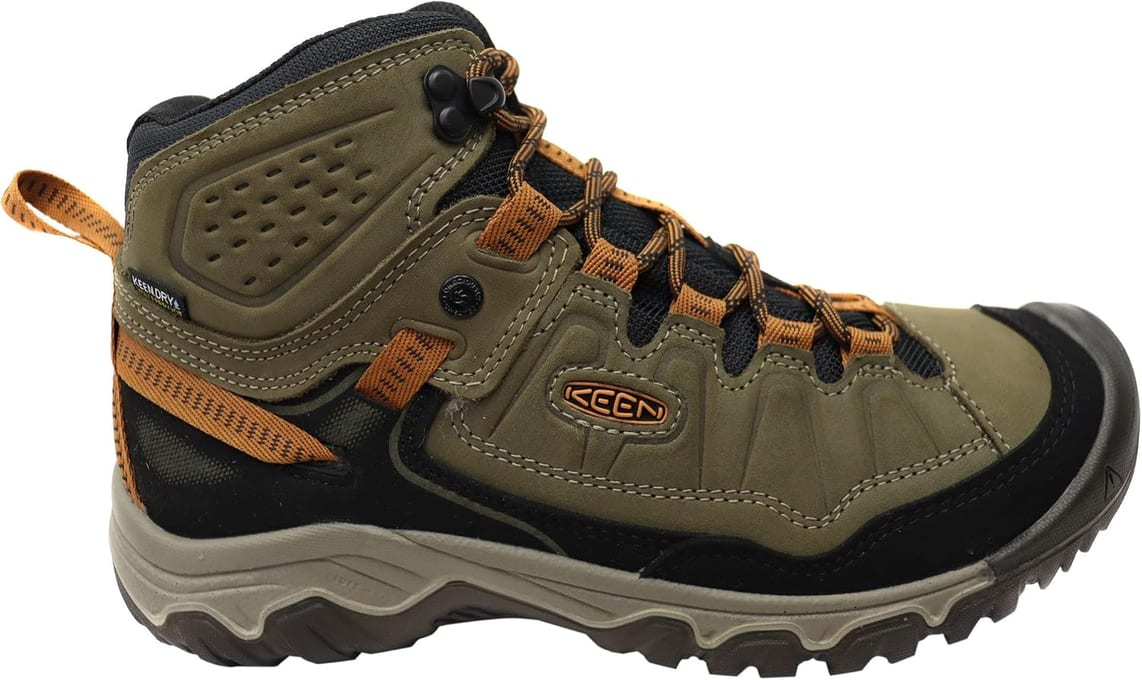
KEEN's roomy, foot-shaped fit and true wide sizes make the Targhee IV Mid the default for wider feet. The PFC-free KEEN.DRY membrane and a burly, abrasion-resistant outsole handle wet, rough trails season after season.
Pros
- Roomy toe box; wide sizes available
- Very durable, PFC-free waterproofing
- Comfortable and supportive
Cons
- Bulkier than sleeker mids
- Short break-in period
Best support
Oboz Bridger Premium Mid B-DRY
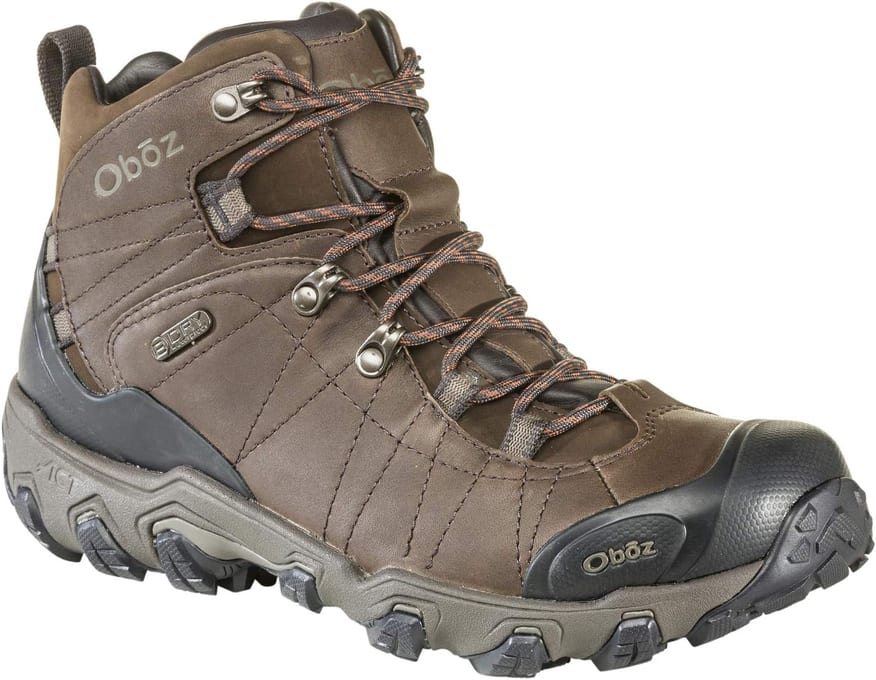
Oboz builds the Bridger around a genuinely supportive molded insole and a stable chassis, with a grippy outsole and PFC-free B-DRY waterproofing. Excellent for hikers who want structure and arch support - and a tree is planted for every pair.
Pros
- Excellent support and stability
- PFC-free B-DRY waterproofing
- Durable; a tree planted per pair
Cons
- Firmer footbed
- Heavier, traditional build
Best leather / style
Danner Mountain 600
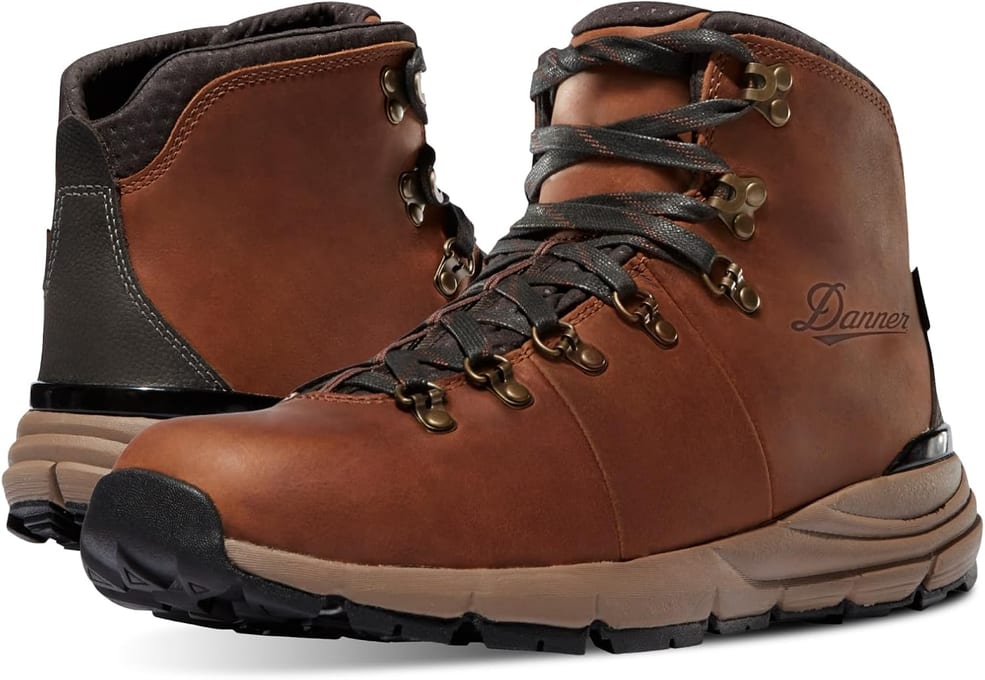
Danner's Portland-made icon pairs rich full-grain leather and standout looks with a waterproof membrane and a grippy Vibram outsole. As at home in the city as on the trail - and built to last for years.
Pros
- Timeless full-grain leather; very durable
- Waterproof with grippy Vibram traction
- Comfortable OrthoLite footbed
Cons
- Leather needs a short break-in
- Heavier than modern synthetic mids
Best value
Merrell Moab 3 Mid Waterproof
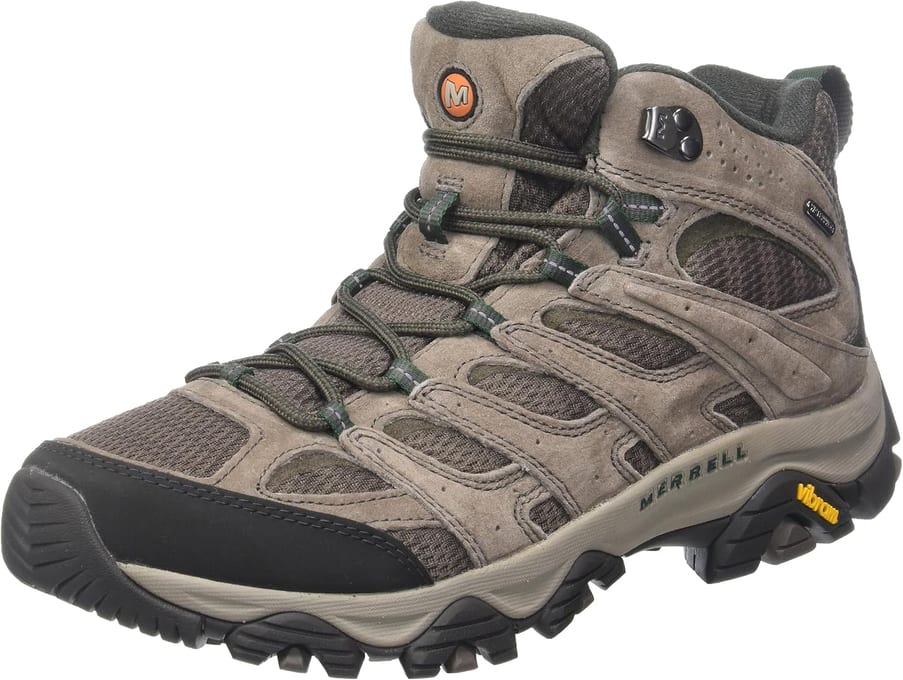
The world's best-selling hiker in mid-cut form: comfortable out of the box, dependable in the wet, and grippy underfoot thanks to a Vibram outsole - all at a friendly price. The easiest boot to recommend to new hikers.
Pros
- Comfortable with little break-in
- Great value; partly recycled
- Grippy Vibram outsole
Cons
- Less supportive than backpacking boots
- Membrane runs a little warm
Best budget
Columbia Newton Ridge Plus II Waterproof
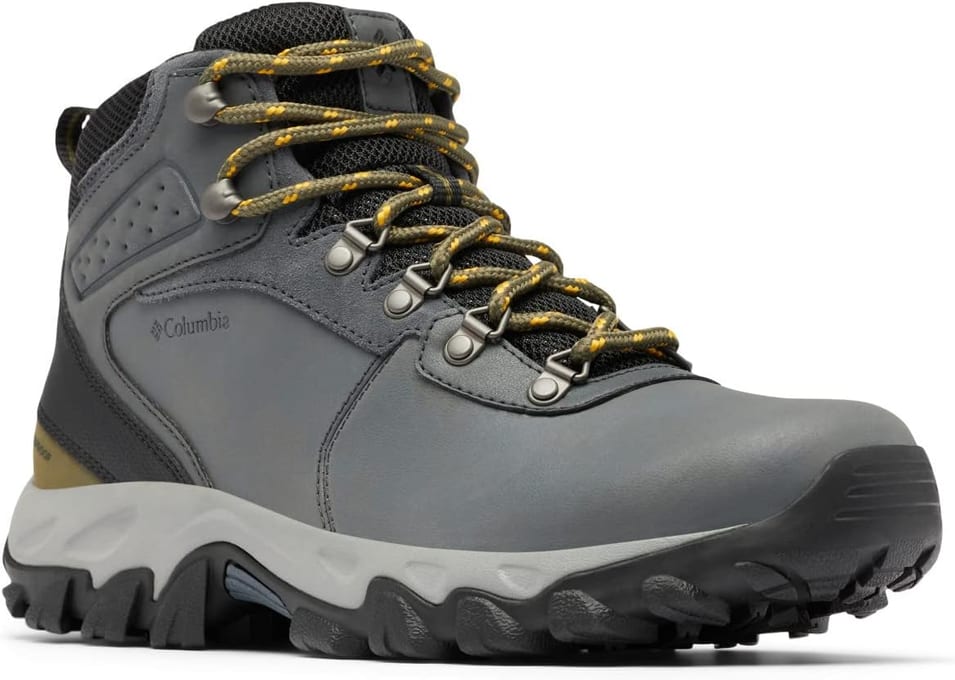
A perennial best-seller that punches above its price: a seam-sealed waterproof leather-and-suede boot with Techlite cushioning, Omni-Grip traction, and a supportive mid-cut fit. The most boot for the least money.
Pros
- Very affordable
- Seam-sealed waterproofing
- Comfortable, supportive fit
Cons
- Grip is trail-moderate
- Heavier, traditional feel
Best sneaker-boot
adidas Terrex Free Hiker 2 GORE-TEX
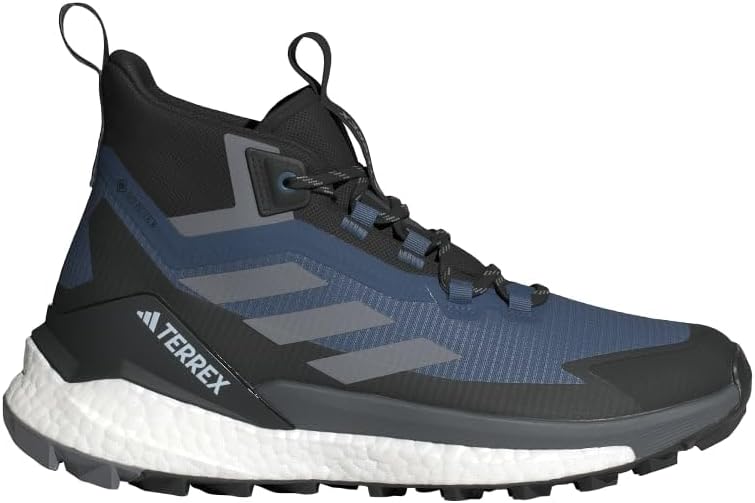
The boot that made gorpcore mainstream. A sock-like knit collar, chunky BOOST midsole, and clean lines make it pure streetwear - while GORE-TEX and Continental rubber keep it fully trail-worthy.
Pros
- Iconic street-ready silhouette
- Bouncy BOOST cushioning
- GORE-TEX plus Continental grip
Cons
- Premium price
- Knit collar runs warm
Best fashion boot
Sorel Mac Hill Lite Mid Waterproof
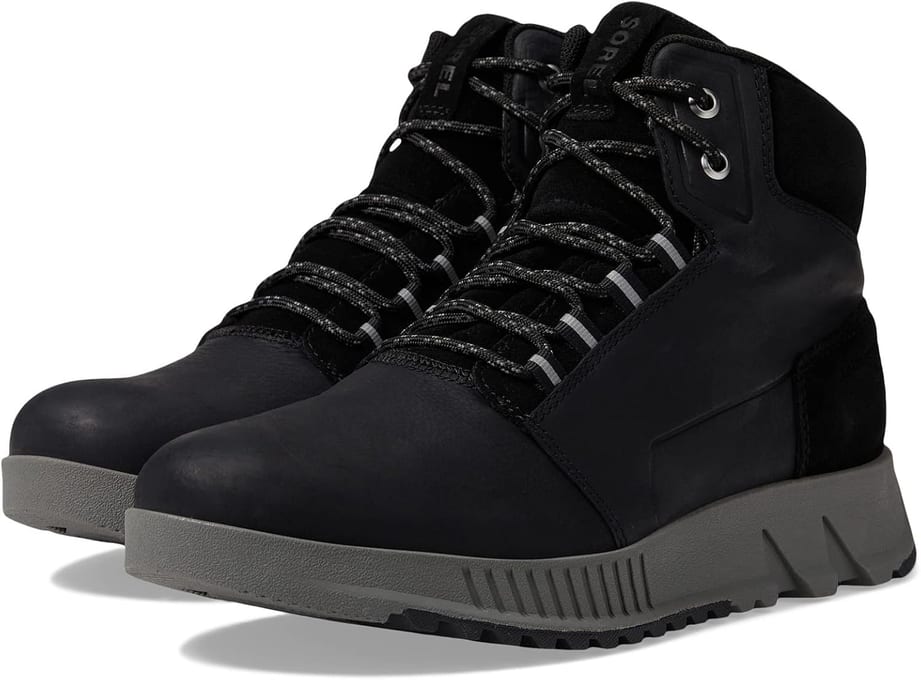
Sorel built its name on fashion-forward outdoor boots, and the Mac Hill Lite Mid is the trail-styled result - a lightweight, seam-sealed waterproof boot with clean lines that reads more streetwear than summit. Best for light trails and rainy-day style.
Pros
- Sleek, fashion-forward design
- Lightweight and comfortable
- Seam-sealed waterproofing
Cons
- Built for light trails, not technical terrain
- Modest outsole grip
Also worth considering
Strong, well-reviewed shoes that just missed our ranked list - worth a look if the picks above aren't quite right for you.
- Timberland Mt. Maddsen Mid Waterproof - A clean, supportive waterproof leather hiker with a TimberDry membrane - one of the most-reviewed hiking boots anywhere.
- Timberland White Ledge Mid Waterproof - A handsome, comfortable waterproof mid with a grippy lugged outsole - great for day hikes and everyday wet weather.
- Timberland 6-Inch Premium Waterproof - The iconic seam-sealed waterproof leather boot - hugely popular and durable, at home on light job sites and everyday wear.
Frequently asked questions
Should I get hiking boots or hiking shoes?
Choose mid or high boots for ankle support on rough, uneven terrain, heavier packs, and deep mud or snow. Low shoes are lighter and cooler for maintained trails and lighter loads. Boots trade some weight and breathability for support and protection.
What should I look for in a waterproof hiking boot?
A reliable membrane (GORE-TEX or a quality leather liner), a supportive and torsionally stiff midsole, a grippy lugged outsole, a secure heel, and a comfortable fit with room at the toes. Match the boot's stiffness to your load - stiffer for heavy packs.
Do I need a dedicated backpacking boot?
If you carry a heavy multi-day pack or hike rugged, off-trail terrain, yes - a stiffer, more supportive boot like the Salomon Quest 4 or Lowa Renegade protects your feet and ankles under load. For day hikes, a lighter mid is more comfortable.
Is GORE-TEX better than leather waterproofing?
Both work. GORE-TEX is light and reliable; full-grain leather boots (Danner, Lowa) are extremely durable and, with regular conditioning, highly water-resistant. Leather is heavier but ages and lasts better.
How do I break in and care for hiking boots?
Wear leather boots on short walks before a big hike to break them in. After each trip, brush off mud, air-dry away from heat, and refresh the water-repellent finish (and condition leather) so waterproofing lasts.
How long do waterproof hiking boots last?
Typically 500–1,000 miles depending on terrain, materials, and care. Full-grain leather boots often outlast synthetic mids, and some (like Lowa) can be resoled to extend their life.
What makes a hiking boot durable?
Durability comes from the upper materials (full-grain leather lasts longest), the quality of the outsole rubber and how it's attached, reinforced toe and heel caps, and construction that can be resoled. A tough, well-built boot shrugs off abrasion and holds its waterproofing for years.
Can waterproof hiking boots be resoled?
Some can. Cement- or stitch-constructed leather boots like the Lowa Renegade can be resoled by a cobbler, dramatically extending their life. Most glued synthetic mids can't be resoled economically.
Can I wear waterproof hiking boots casually, with jeans?
Absolutely - that's half the point. Heritage boots like the Danner Mountain 600 and Timberland Mt. Maddsen, and sneaker-boots like the adidas Free Hiker and Sorel Mac Hill, are built to look right in the city as well as on the trail.