Best Suede Protector Spray (2026): Tested Picks for Boots
Sprays that waterproof and stain-proof suede and nubuck, from budget to premium: what to look for, how to apply it, and which one to buy.
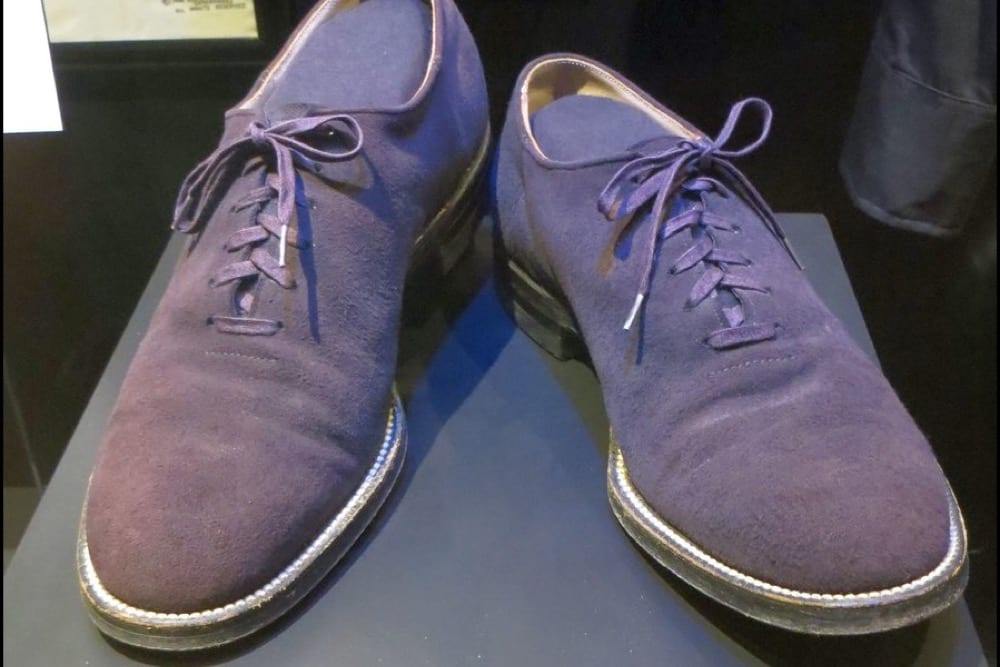
Suede looks fantastic and ruins fast: one rain shower or coffee splash and you have a dark water mark that will not brush out. A suede protector spray fixes that cheaply, laying down an invisible layer that makes water and stains bead up and roll off. Here are the sprays worth buying, from budget to premium, plus how to apply them so they actually work, how they work, and how to keep suede looking new for years instead of months.
How to choose a suede protector
- Water and stain repellency: the best sprays block both, not just water.
- Dries clear, keeps the nap: it should protect without darkening the suede or flattening the soft texture. Never use wax on suede.
- Coverage and longevity: cheaper sprays need reapplying every few weeks; premium ones last longer per coat.
- Safe for the material: buy a suede- and nubuck-specific product, and always test a hidden spot first.
How suede protector spray actually works
Every suede protector spray does the same basic job, even though the formulas differ. The can holds a carrier (usually a low-odor solvent or, in water-based formulas, plain water) that suspends a polymer, most often a fluorocarbon resin, sometimes a silicone or nano-particle blend. When you mist it onto suede, the carrier evaporates and leaves that polymer coating the individual fibers of the nap at a microscopic level.
That coating changes the surface energy of the material. Water and oil normally spread out and soak into a fabric because the fabric’s surface tension pulls the liquid in. A fluorocarbon coating flips that: it lowers the surface energy of each fiber so much that water and oil can no longer “wet” it. Instead, a droplet pulls itself into a tight bead and sits on top of the nap, the same effect you see on a freshly waxed car hood or a lotus leaf in the rain. Tilt the shoe or brush it lightly and the bead rolls off, taking dust and light dirt with it.
The best sprays are both hydrophobic (water-repelling) and oleophobic (oil-repelling), which matters because a lot of the marks that ruin suede, like food grease, sebum from hands, or road grime, are oil-based and would otherwise soak straight through a coating that only blocks water. Fluorocarbon-based sprays like Crep Protect and Saphir Super Invulner repel both. Water-based formulas like Nikwax Nubuck & Suede Proof use a different chemistry (a water-based polymer dispersion) that restores repellency without a heavy solvent smell and while staying more breathable, which is one reason it is popular for hiking boots.
Why suede is so much more vulnerable than smooth leather
Suede and smooth (full-grain or top-grain) leather come from the same hide, but suede is cut from the underside of the split, which exposes the soft, fibrous inner layer instead of the tough, sealed outer grain. That fibrous surface is what gives suede its velvety texture, and it is also exactly why it is so easy to ruin. Smooth leather has a natural, semi-sealed grain that already slows down water and staining; suede has none of that protection, so liquid gets pulled straight into the open fibers by capillary action almost the instant it lands.
That is also why suede stains look so dramatic: the fibers darken wherever they absorb moisture, so a splash creates a distinct “watermark” ring rather than a uniform darkening. Nubuck is technically top-grain leather that has been sanded to create a similar napped finish, so it behaves a lot like suede (and the same protector sprays work on both), but because it retains more of the grain layer underneath, it is usually a little more resistant to abrasion, if not to staining.
Clean and prepping suede before you protect it
Protector spray only works well on clean, dry suede. Spraying it over dirt, oil, or a previous stain just seals the problem in rather than solving it, and can make it permanent. Before you protect a pair for the first time, or before every reapplication, do the following:
- Brush off loose dirt first. Use a dedicated suede brush (brass-bristle side for stubborn grime, rubber or crepe side for everyday touch-ups) and work in short strokes, following the direction of the nap.
- Treat scuffs with a suede eraser or the rubber side of the brush. Rub gently over scuff marks and dried mud until they lift, then brush away the residue.
- Spot-clean stains before you seal them in. Use a suede-specific cleaner or eraser on any existing marks; do not spray protector over an unresolved stain and expect it to disappear.
- Let the shoes dry completely. This is the step people skip. If the suede is even slightly damp from cleaning, rain, or sweat, wait until it is bone dry, ideally overnight at room temperature, before you protect it. Spray applied to damp suede traps moisture underneath the coating and can cause discoloration or a patchy, blotchy finish once it dries.
- Give it a final light brush to lift the nap right before spraying, so the coating reaches every fiber rather than just the flattened surface.
A detailed application walkthrough (and how to avoid blotching)
The instructions on the can are accurate, but a few extra details make the difference between an even, invisible coat and a blotchy, stiff-feeling one:
- Work outdoors or by an open window. Most sprays are aerosols with solvent fumes; you want ventilation regardless of which product you use.
- Hold the can 15 to 20 cm (6 to 8 inches) away. Too close and the propellant blasts a concentrated, wet patch that oversaturates the fibers; too far and you get uneven, patchy coverage.
- Keep the can moving in a steady sweep, the way you would spray paint, rather than holding it still over one spot. A light, even mist beats a heavy direct blast every time.
- Cover the whole shoe, including seams, the tongue, and the welt, since water and salt find their way in through stitching first.
- Watch for pooling. If you see the suede go visibly wet and shiny rather than just slightly darkened, you are over-spraying. Stop, let it dry, and apply a lighter second pass instead of trying to fix it wet.
- Let the first coat dry fully before adding a second. Most sprays need 20 to 30 minutes; slow-dry premium formulas like Saphir Super Invulner can take longer. Rushing this step is the single biggest cause of blotching, because the second coat reactivates the still-wet solvent underneath and drags pigment or oils to the surface unevenly.
- Two light coats beat one heavy coat. This is true for every spray on this list. It gives more even coverage and better long-term repellency without the risk of oversaturating the nap.
- Brush the nap once everything is dry to restore the soft texture the spray can temporarily flatten.
How long protection lasts, and how to test it
No suede protector spray is permanent. The coating wears off gradually with UV exposure, friction, and general wear, so the honest answer to “how long does it last” is “until the bead test fails.” To check whether you are still protected, flick a few drops of water onto the toe and the sides:
- If the water beads up and rolls off, the coating is still working; no need to respray yet.
- If it flattens out, soaks in, or darkens the suede within a few seconds, the repellency is gone and it is time to reapply.
As a rough reapplication schedule: sneakers and shoes worn daily in mixed weather typically need respraying every two to four weeks; boots or shoes worn occasionally can go six to eight weeks between coats; and lighter, everyday-use nano coatings like the WITOROR Shoe Protector Spray are often labeled for longer intervals under lighter use. Always reapply after any deep clean, since cleaning strips the existing coating along with the dirt.
Common mistakes that ruin suede
Most suede disasters trace back to one of these:
- Using wax or silicone leather polish instead of a suede-specific protector. Wax and cream polishes are made for smooth, sealed leather. On suede they flatten and mat the nap, leaving a shiny, greasy patch that will not brush out.
- Spraying dirty or damp suede. As above, this traps grime and moisture under the coating instead of protecting clean fibers, and often causes permanent discoloration.
- Heat-drying wet suede. Never point a hairdryer at suede or set damp shoes on a radiator. Fast, direct heat cracks the leather backing and can shrink or warp the shoe. Stuff the shoes with newspaper or a shoe tree and let them air-dry at room temperature instead.
- Over-spraying in one heavy pass. Saturating the suede rather than misting it causes blotching, uneven color, and a longer, less reliable dry.
- Skipping the patch test. Formulas vary by suede color and tanning process; always test an inconspicuous spot (inside the tongue or heel) and let it dry before treating the whole shoe.
- Rubbing instead of brushing. Scrubbing hard at a stain with a cloth drives it deeper into the fibers. Brush and dab; do not rub.
Cost per use: is it actually worth buying?
A single can of suede protector spray treats several pairs of shoes over multiple applications, not just one. Spread across a season of reapplications on more than one pair, the cost per use works out to a small fraction of what it costs to replace a pair of suede shoes ruined by a single unprotected rain shower or an unremovable oil stain. Budget options like the Kiwi Shoe Waterproofer make this math even easier since they deliver solid core protection for very little outlay, while premium options like Saphir Super Invulner cost more per can but tend to go further per application and last longer between coats, which narrows the gap in cost per wear over time.
Which suede protector should you buy?
- Sneakers and trainers: Crep Protect is built for exactly this and doubles as a protector for canvas and leather sneakers in the same rotation.
- Hiking boots and outdoor nubuck: Nikwax Nubuck & Suede Proof keeps the material breathable, which matters more on the trail than on a sneaker.
- Premium or expensive suede: Saphir Super Invulner is the safest choice for suede you cannot afford to discolor or stiffen.
- Tight budget or multiple pairs to treat: Kiwi Shoe Waterproofer covers the basics cheaply enough to actually keep up with reapplying it.
- General everyday wear, no fuss: WITOROR Shoe Protector Spray is the reliable, do-everything nano-coating default.
- Eco-conscious or non-aerosol preference: the water-based Nikwax formula above avoids heavy aerosol solvents while still delivering strong repellency.
How to remove water and salt stains from suede
If protection has already failed and you are looking at a water or salt mark, do not panic, most marks come out:
- Let the suede dry completely first. Do not try to treat a wet stain; wait until it is bone dry, since working suede while it is damp just spreads the mark further.
- Brush the dry stain with a suede brush, working from the outside of the mark inward, to break up the discoloration before applying anything.
- For salt stains, dab (do not soak) the area with a cloth lightly dampened in a mild white vinegar and water solution, working from the edge of the stain toward the center to avoid spreading it, then let it air-dry fully.
- For water rings, sometimes the simplest fix is to lightly and evenly dampen the whole panel with a barely-wet cloth so the original ring blends into an even, all-over dampness, then let it dry naturally and brush.
- Use a suede eraser or fine-grit suede stone on any residual mark once dry, then re-brush to lift the nap.
- Reprotect once the suede is fully dry and clean. Removing a stain also removes whatever repellency was left, so treat the shoes to a fresh coat of protector before wearing them out again.
For a broader look at the difference between water-resistant and truly waterproof footwear, see our waterproof vs water-resistant guide.
The best suede protector sprays
1. Crep Protect - best overall
Crep Protect Shoe Protector Spray is the sneakerhead favourite for good reason. Its nano coating repels water and stains on suede, nubuck, canvas, and leather, dries invisibly without stiffening the nap, and one can treats a lot of pairs. It is the spray to buy if you want one product that protects suede trainers, boots, and everything in between.
2. Kiwi Shoe Waterproofer - best value
Kiwi Shoe Waterproofer delivers the essentials for a few dollars: solid water and stain protection that keeps suede and nubuck looking new for longer. It is not the fanciest formula, but it works, it is everywhere, and a single can is cheap enough that you will actually keep up with reapplying it.
3. Nikwax Nubuck & Suede Proof - best water-based
Nikwax Nubuck & Suede Proof is a water-based, sponge- or spray-on waterproofer that restores water repellency without compromising the breathability or texture of suede and nubuck. It is the pick if you want an environmentally friendlier, non-aerosol formula, and it pairs well with outdoor suede and nubuck hiking footwear.
4. WITOROR Shoe Protector Spray - best everyday all-rounder
WITOROR Shoe Protector Spray brings nano-scale rain and stain protection to suede, nubuck, sneakers, leather, and canvas alike. It is a reliable, do-everything everyday choice; reapply every few months for light use or more often if you wear the shoes hard in the wet.
5. Saphir Super Invulner - best premium
Saphir Medaille d’Or Super Invulner is the premium French treatment cobblers swear by. Silicone-free, it uses a fluorinated resin to repel water, snow, dirt, and grease across leather, suede, nubuck, and textile, and its neutral, slow-drying formula is specifically made not to leave white marks or alter colour and texture. If your suede is expensive, this is the one to protect it with.
How to apply it (the two-minute version)
- Brush the suede clean with a suede brush and let it dry fully.
- Hold the can about 15 cm away and mist a light, even coat over the whole shoe, seams included. Do not soak it.
- Let it dry, then add a second light coat.
- Once dry, brush the nap to refluff it.
Reapply every few weeks of wear and after every clean. When water stops beading and starts soaking in, it is time to respray.
The bottom line
Buy Crep Protect if you want the best all-round suede protector, Kiwi if you want it cheap, and Saphir Super Invulner if your suede deserves the premium treatment. Whichever you choose, remember that protecting suede makes it water-resistant, not waterproof: for the full picture see our waterproof vs water-resistant guide, and for protecting other materials, our how to waterproof shoes at home walkthrough. Got UGGs? We have a dedicated UGG protector spray guide, and for a broader spray comparison see best waterproof spray for shoes.
Frequently asked questions
What is the best suede protector spray?
For most people, Crep Protect is the best all-round suede protector spray: a nano coating that repels water and stains on suede, nubuck, canvas, and leather, and dries invisibly without stiffening the nap. If you want the cheapest solid option, the Kiwi Shoe Waterproofer does the job for a few dollars. For a water-based, breathable formula, Nikwax Nubuck & Suede Proof is the pick, and for a premium, colour-safe treatment, Saphir Super Invulner is the one cobblers reach for.
Does suede protector spray actually work?
Yes. A good suede protector lays down an invisible water- and oil-repellent layer that makes rain, spills, and mud bead up and roll off instead of soaking into the nap. It will not make suede fully waterproof like a rubber boot, but it dramatically reduces staining and water marks and makes cleaning far easier. The key is applying it to clean, dry suede and reapplying every few weeks of wear, because the coating wears off.
How often should I reapply suede protector spray?
As a rule, every two to four weeks of regular wear, and always after you clean the shoes. Sprays like Crep Protect and Kiwi last a handful of wears before the repellency fades; longer-lasting nano formulas can stretch to a few months under lighter use. The simple test is to drip water on the toe: if it beads and rolls off, you are still protected; if it soaks in and darkens the suede, it is time to respray.
Will suede protector spray change the colour or texture of my shoes?
A quality suede spray should not. The good ones dry clear and keep the soft, matte nap, which is exactly why suede-specific products exist and why you should never use wax on suede (wax flattens the nap). That said, formulas vary, so always spray a small hidden area first and let it dry before doing the whole shoe. Premium sprays like Saphir Super Invulner are specifically formulated to protect without altering colour or feel.
Can you waterproof suede shoes?
You can make suede highly water-resistant, but not truly waterproof. A suede protector spray repels water and stains and keeps your feet drier in rain and slush, which is enough for everyday wear. For genuinely dry feet in heavy, sustained wet, suede is the wrong material and you want a shoe that is waterproof by design. For the difference between the two, see our waterproof vs water-resistant guide.
How do you apply suede protector spray?
Brush the suede clean with a suede brush and let it dry fully. Hold the can about 15 cm (6 inches) away and mist a light, even coat over the whole shoe, including seams. Do not soak it. Let it dry (usually 20 to 30 minutes, longer for premium slow-dry formulas), then apply a second light coat for better protection. Once dry, brush the nap to refluff it. Do this outdoors or in a well-ventilated space.