Best UGG Protector Spray (2026): Keep Sheepskin Dry
Sprays that waterproof and stain-proof sheepskin and suede UGGs, from the official Care Kit to budget picks, and how to beat salt stains.
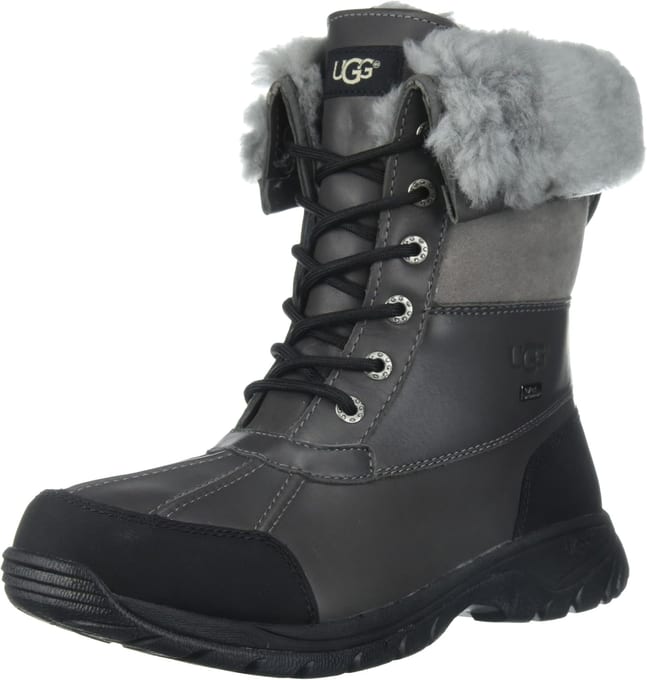
UGGs and water are natural enemies: the soft suede-and-sheepskin outer soaks up rain, slush, and salt and stains in seconds. A UGG protector spray is the cheap fix, laying down an invisible layer that makes water and stains bead off so your boots survive winter looking new. Here is what to use, from the official kit to budget alternatives, plus the full care routine and how to beat salt stains.
Why UGGs are so prone to water and salt damage
Classic UGGs are built from twin-face sheepskin: the fleece is turned inward for warmth and the suede side faces out. Suede is just leather with the smooth top layer sanded away, which exposes the fibrous underside of the hide. That fibrous nap is what gives suede its soft texture, and it is also exactly why it soaks up liquid so fast. Instead of a sealed, water-shedding surface, you have thousands of tiny open fibers acting like a wick, pulling moisture straight into the hide.
Once water gets in, it carries dirt and oils with it and dries into a dark, blotchy stain because the fibers mat down unevenly as they dry. Road and sidewalk salt makes it worse. Salt is hygroscopic, meaning it actively pulls moisture out of the air and back into the leather even after the boot looks dry, which is why salt marks often reappear days later as chalky white rings. Because the sheepskin underneath is a natural fiber too, repeated soak-and-dry cycles without any protection also dry out the hide itself, leaving it stiff, cracked, or prone to shrinking. A protector spray does not change what suede is, but it coats those open fibers with a water-repellent finish so liquid beads on the surface instead of wicking in, which is the difference between a boot that survives winter and one that looks ruined by January.
What to look for
- Suede- and sheepskin-safe: UGGs are suede, so use a suede/nubuck protector, never wax or a heavy leather spray that flattens the nap.
- Water and stain repellency: winter throws rain, slush, mud, and salt at your boots, so you want protection against all of it.
- Dries clear: it should protect without darkening or stiffening the sheepskin.
The full UGG care routine, step by step
Protector spray works best as part of a routine, not a one-off fix. Spray once and never clean the boots, and dirt and salt build up underneath the coating.
- Clean first. Brush off loose dirt with a dry suede brush, always in one direction to realign the nap. For deeper marks use a suede-specific cleaner or a barely damp cloth, never a soaked one, and let the boots dry naturally first.
- Let them dry completely. Protector sprays need a dry surface to bond to. Spraying over damp suede traps moisture underneath the coating and can cause uneven, blotchy results.
- Protect. Mist a light, even coat of protector spray over the entire boot, including seams, the heel, and the toe box where scuffing happens most. Hold the can roughly 15 cm away and keep it moving so you do not oversaturate one spot.
- Dry again, away from heat. Let the spray cure for several hours, ideally overnight, before wearing the boots. Keep them away from radiators, heating vents, and direct sun while they dry.
- Store between seasons properly. Stuff the boots with acid-free tissue or boot shapers, keep them cool and dry with airflow (not a sealed plastic bin, which traps moisture and can encourage mold), and give them one more light coat before putting them away. They are then ready, and already protected, when the weather turns.
A spray restores repellency; it does not add a seal. If you are unsure which kind of boot you are treating, see are UGGs waterproof.
The best UGG protector sprays
1. UGG Care Kit - best (made for the job)
The UGG Sheepskin Care Kit is the no-guesswork choice: it pairs UGG’s own Protector spray with a cleaner and conditioner, a freshener, a bamboo brush, and a scuff eraser, all formulated specifically for their sheepskin. If you want the spray on its own, UGG also sells the UGG Protector separately. Buy this if you would rather not think about compatibility, or if these are your first pair of UGGs and you want one product that handles cleaning, protecting, and touch-ups without any research.
2. Kiwi Shoe Waterproofer - best value
Kiwi Shoe Waterproofer protects UGGs just as well as pricier options for a few dollars. Because UGGs are suede, this everyday waterproofer beads off water and stains and keeps the nap looking fresh, and a single can is cheap enough that you will actually keep up with reapplying. It is a sensible pick if you own multiple pairs of suede boots or shoes and want one can that covers all of them, not just your UGGs.
3. Crep Protect - best invisible nano coating
Crep Protect Shoe Protector Spray is a sneaker favourite that works beautifully on sheepskin too. Its nano coating repels rain and stains, dries completely invisibly, and does not stiffen the suede, so your UGGs keep their soft look and feel. It is also fast-drying, which makes it a good option if you tend to protect your boots the night before you need them rather than weeks in advance.
4. WITOROR Shoe Protector Spray - reliable alternative
WITOROR Shoe Protector Spray is a nano-coating waterproofer that does the job on UGGs and most other materials. Reapply every few months, or more often through a hard, salty winter. It repels rain and stains across suede, nubuck, sneakers, leather, and canvas, so it is a versatile backup that earns its place alongside your suede brush.
New UGGs vs. reviving an old pair
How you apply protector spray depends on whether the boots are brand new or already a season or two old.
New UGGs should be protected before the first wear, full stop. Do not wait for the first rainy day. Because the sheepskin has never been treated, it will soak up the first coat unevenly if you rush it, so apply one light coat, let it dry fully, then apply a second light coat rather than one heavy pass. Two thin coats always outperform one thick one, since a thick coat can pool, darken patches of suede, and dry sticky.
Older UGGs that have never been protected, or that have existing water marks, need a bit more prep. Clean them first with a suede cleaner or a soft eraser-type suede brush to lift as much of the existing staining and dirt as you can; a protector spray seals in whatever is already on the boot, so it will not fix stains that are already set, it will only stop new ones. Once the boots are as clean and dry as you can get them, treat them the same way as new boots: two thin coats with full drying time in between. If the sheepskin already feels dry, brittle, or matted, a conditioning step (many care kits include one) before you spray will help restore some softness first.
Which UGG styles are actually waterproof
This is where a lot of buyers get caught out. The classic Tall, Mini, and Bailey Button styles are suede and sheepskin, and suede is never truly waterproof, no matter how much spray you use. A protector spray makes them strongly water-resistant, meaning light rain, slush, and splashes bead off, but standing water, deep puddles, and prolonged downpours will still get through eventually.
UGG does sell genuinely waterproof styles, built with sealed seams and a waterproof membrane or a fully waterproof upper rather than exposed suede. The giveaway is in the naming: if “waterproof” appears directly in the product name or on the box, it is engineered to keep water out at the construction level, not just treated with a spray. If it does not say waterproof, assume it is water-resistant at best and treat it accordingly, which is where a good protector spray earns its keep. For more on the practical difference between the two terms and why it matters for buying decisions, see our waterproof vs water-resistant guide.
Are cheaper generic suede sprays actually safe for UGGs?
Short answer: yes, as long as the label says it is suede- and nubuck-safe. UGGs are not a special material that requires a UGG-branded can. Kiwi, Crep Protect, and WITOROR are all generic suede protectors and all work fine on sheepskin boots, which is exactly why they make this list.
What you need to avoid is anything that is not suede-rated: wax-based leather conditioners, heavy silicone sprays, and generic “leather protector” products meant for smooth, finished leather. Those products are built to sit on top of a sealed leather surface, and on suede they instead soak into the open nap, flatten it, and can leave a shiny, darkened patch that never fully goes away. Always check the can specifically says suede, nubuck, or sheepskin, and when in doubt, test an inconspicuous spot, like the inside of the heel, and let it dry before treating the whole boot.
How often to reapply, and the bead test
Protector spray wears off with UV exposure, friction, and repeated wet-dry cycles, so it is not a one-and-done treatment. As a general rule, reapply every couple of weeks during regular winter wear, and always reapply after a deep clean since cleaning strips the existing coating along with the dirt.
The easiest way to check if you are due for a reapplication is the bead test: flick a few drops of water onto the boot. If the water beads up and rolls off, the protection is still working. If it soaks in and darkens the suede within a few seconds, it is time to respray. Running this test before a big snow day or a salty commute takes ten seconds and can save you a stained boot.
Beating salt stains
Salt is what really wrecks UGGs. Protect them before the season with a suede-safe spray, then wipe off salt as soon as you get home with a damp cloth, working from the outside of the mark inward, since working from the middle out tends to spread the stain wider. Timing matters here: salt residue that sits overnight has more time to wick further into the fibers and dry into a harder, more visible ring, so treat it the same day if you can.
For stubborn white salt lines that have already dried in, dab a 50/50 mix of water and white vinegar onto a clean cloth and gently work it into the stained area; the mild acidity in vinegar helps dissolve the mineral salt deposits without harming the suede. Do not soak the boot, just dampen the cloth and blot. Once the stain lifts, let the boots air dry fully away from direct heat, brush the nap back into place, and re-protect with your spray of choice before wearing them again. Skipping that last step is the most common reason salt stains keep coming back all winter: the vinegar treatment removes the salt, but it also strips whatever protection was left, so the boot is defenseless again until you respray it.
Common mistakes that ruin UGGs
A surprising number of ruined UGGs are not caused by weather at all, but by how they are cared for afterward.
- Heat drying. Putting wet UGGs on a radiator, in front of a heater, or in direct sun to speed up drying is one of the fastest ways to crack and shrink sheepskin. Always air dry at room temperature, stuffed with paper to help hold their shape as they dry.
- Machine washing. UGGs are not machine washable. The agitation, heat, and detergent will felt the sheepskin, warp the sole bond, and strip any existing protection. Spot clean by hand only.
- Using wax or silicone-heavy sprays. As covered above, these are made for smooth leather, not suede, and will flatten and darken the nap permanently in the treated spot.
- Never protecting them at all. Waiting until boots are already stained to think about protector spray means you are managing damage instead of preventing it. Spray before the first wear of the season, not after the first bad rain.
- Oversaturating with one heavy coat. More product is not better. A heavy, single coat of protector spray can pool, darken patches, and take far longer to dry than two light coats.
For more general guidance on protecting suede and other water-sensitive materials the right way, our how to waterproof shoes guide covers the process step by step across different shoe types.
Cost and value
A can of suede protector spray typically runs from under ten dollars for a generic option like Kiwi up to the mid-teens for the branded UGG Protector or a full Care Kit, and one can comfortably covers multiple pairs of boots across a full season of reapplication. Compared to the cost of a pair of UGGs, or the cost of replacing them early because they were never protected, spray is one of the cheapest pieces of footwear insurance you can buy. The UGG Care Kit costs more because you are also getting a cleaner, conditioner, and brush bundled in, so it is worth it if you want everything in one purchase; the standalone sprays are the better deal if you already own a suede brush and just need the protectant.
Which protector should you buy?
If you want the guaranteed-safe, made-for-UGGs option and do not want to research compatibility, buy the UGG Care Kit. If you just want a reliable spray on its own for less money, Kiwi and Crep Protect both work just as well on sheepskin and suede. WITOROR is the do-everything nano option if you want the strongest all-materials water repellency. Whichever you choose, protect the boots before you wear them, respray every couple of weeks and after cleaning, run the bead test when you are unsure, and deal with salt immediately rather than letting it sit. Do that consistently and a pair of UGGs will comfortably survive several winters looking presentable.
And remember: a spray makes UGGs water-resistant, not waterproof, so for the difference see our waterproof vs water-resistant guide, and for other materials our best suede protector spray and best waterproof spray for shoes guides.
Frequently asked questions
What can I use to protect my UGGs?
The safest choice is a suede- and sheepskin-safe protector spray. UGG's own Care Kit includes the brand's Protector plus a cleaner and brush and is formulated specifically for their sheepskin, so it is the no-guesswork option. If you prefer to buy the spray alone or want a cheaper route, a quality suede and nubuck protector like Kiwi, Crep Protect, or WITOROR works well on UGGs too. Whatever you use, apply it to clean, dry boots before you wear them out.
Does UGG protector spray actually work?
Yes. A protector spray lays down an invisible water- and stain-repellent layer so rain, slush, mud, and spills bead up and roll off the sheepskin instead of soaking in and leaving dark marks. It genuinely reduces water staining and makes UGGs far easier to clean. It will not make them fully waterproof like a rubber boot, and you should still avoid deep puddles and heavy rain, but for everyday winter wear it makes a big difference.
How do you waterproof UGGs?
Brush the sheepskin clean and let it dry fully. Hold the protector can about 15 cm away and mist a light, even coat over the whole boot, including seams, then let it dry (a few hours is ideal before wearing). Apply a second light coat for new boots. Reapply every couple of weeks of wear and after cleaning. This makes UGGs highly water-resistant, not waterproof, so still keep them out of deep water and heavy downpours.
Can you use regular suede spray on UGGs?
Generally yes. UGGs are sheepskin with a suede outer, so a suede- and nubuck-safe protector such as Kiwi, Crep Protect, or WITOROR works well and costs less than the branded kit. The important rule is to use a suede-safe product, never a wax or a silicone-heavy leather spray, which can flatten or discolour the nap. Always test a small hidden area first and let it dry before doing the whole boot.
How do you protect UGGs from salt stains?
Salt is the winter enemy of sheepskin. First, protect the boots with a suede-safe spray before the season starts so salt water beads off rather than soaking in. Then wipe off any salt as soon as you get home with a damp cloth, working from the outside of the stain inward, and let the boots air dry away from direct heat. For stubborn white salt lines, a mix of equal parts water and white vinegar on a cloth lifts them, followed by re-protecting once dry.
Are UGGs waterproof?
Most classic UGGs are not waterproof. The traditional suede-and-sheepskin styles are water-resistant at best and will stain and soak in real wet, which is exactly why a protector spray is worth it. UGG does make some genuinely waterproof styles with sealed construction and a waterproof outer, so if you need dry feet, look for 'waterproof' in the specific model name rather than relying on a spray.