Best Waterproof Running Shoes for Winter (2026)
From carbide-studded ice runners to GORE-TEX road and trail shoes that keep feet warm, dry, and upright through snow, slush, and cold rain.
Winter running punishes the wrong shoes. Cold rain, snow, and slush soak mesh uppers in minutes, and wet feet in freezing air go numb fast - while slick, icy footing threatens every stride. The best waterproof winter running shoes keep your feet dry and warm and, crucially, help you stay upright: from carbide-studded ice runners to deep-lugged snow shoes and cushioned GORE-TEX road trainers. Below are our picks, matched to the surface you run on.
For year-round trail grip, see our best waterproof trail running shoes; for everyday rain on pavement, our best GORE-TEX road running shoes.
How we picked
We prioritized traction on winter surfaces (metal studs for ice, deep lugs for snow, grippy rubber for cleared roads), proven waterproof membranes to keep feet dry and warm, cushioning that stays comfortable when cold stiffens foam, and a secure fit. Each shoe was held to our standard five-criteria test below. For sheet ice, choose the studded Icebug or add removable traction devices to any shoe here.
How we test waterproof shoes
Every pick is scored on the same five criteria and cross-checked against real owner feedback - so the ranking reflects how a shoe holds up, not its spec sheet.
Waterproofing
How well it seals - GORE-TEX, eVent, or a quality liner, with gusseted tongues and taped seams.
Traction
Outsole compound and lug pattern, and real grip on wet rock, gravel, and slick mud.
Support
Midsole stiffness, torsional rigidity, and stability on uneven ground and under a pack.
Comfort
Fit and width options, cushioning, break-in, and weight over long days.
Durability
Upper toughness, toe and heel protection, and how it holds up season after season.
Best for ice
Icebug NewRun BUGrip GTX
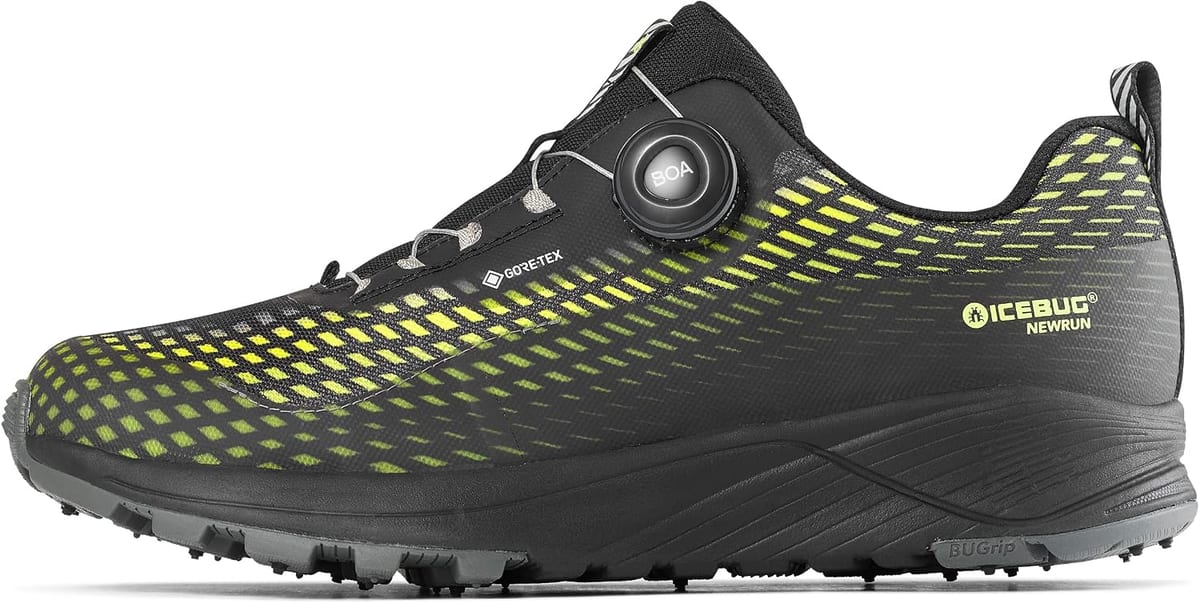
The one shoe here that genuinely grips sheet ice. Icebug embeds 18 dynamic carbide steel studs in the outsole that bite into pure ice and packed snow, while a GORE-TEX Extended Comfort membrane keeps feet dry and a BOA dial locks the fit. If your winter routes ice over, nothing else compares.
Pros
- Carbide studs grip pure ice
- Fully waterproof GORE-TEX
- Precise BOA dial fit
Cons
- Studs click and slip on bare indoor floors
- Premium price
Best for deep snow
Salomon Speedcross 6 GORE-TEX
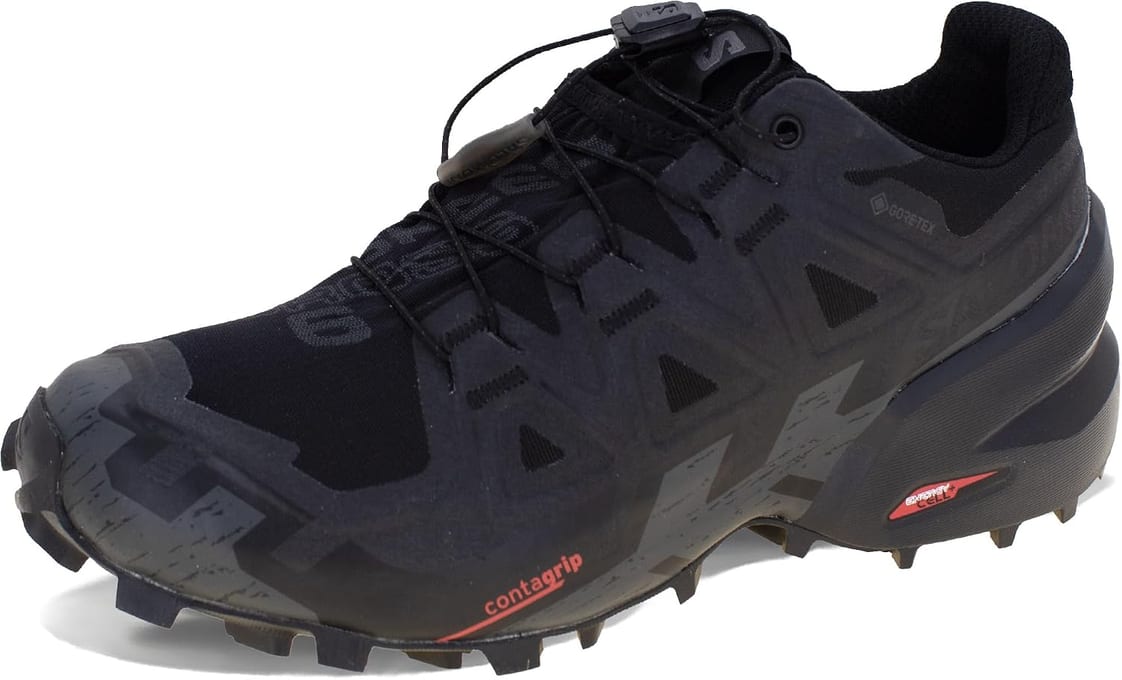
For unplowed trails and soft, deep snow, the Speedcross claws through where studs aren't needed. Deep chevron lugs and Salomon's Mud Contagrip rubber bite into snow and shed slush, all sealed by a GORE-TEX membrane and locked down by the snug Quicklace system.
Pros
- Deep lugs bite soft, deep snow
- Fully waterproof GORE-TEX
- Secure, snow-shedding Quicklace fit
Cons
- No studs for sheet ice
- Aggressive lugs feel odd on cleared pavement
Best for winter roads
New Balance Fresh Foam X 880 GTX
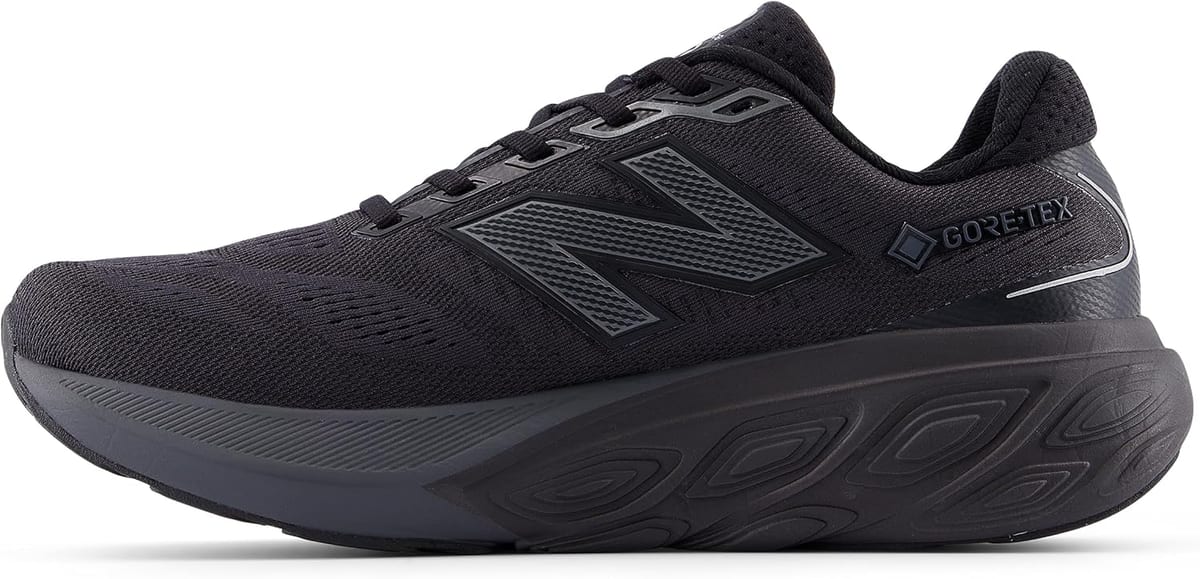
The best cushioned road option for cold, wet miles on plowed streets. Plush Fresh Foam X softens hard winter pavement, a GORE-TEX membrane seals out rain and slush, and a grippy outsole holds cleared and packed surfaces. A comfortable, do-it-all winter daily trainer.
Pros
- Plush, warm-riding cushioning
- Waterproof GORE-TEX membrane
- Reliable grip on wet, packed roads
Cons
- Not for deep snow or ice
- Warmer than mesh on mild days
Best cushioned trail
Salomon Sense Ride GTX
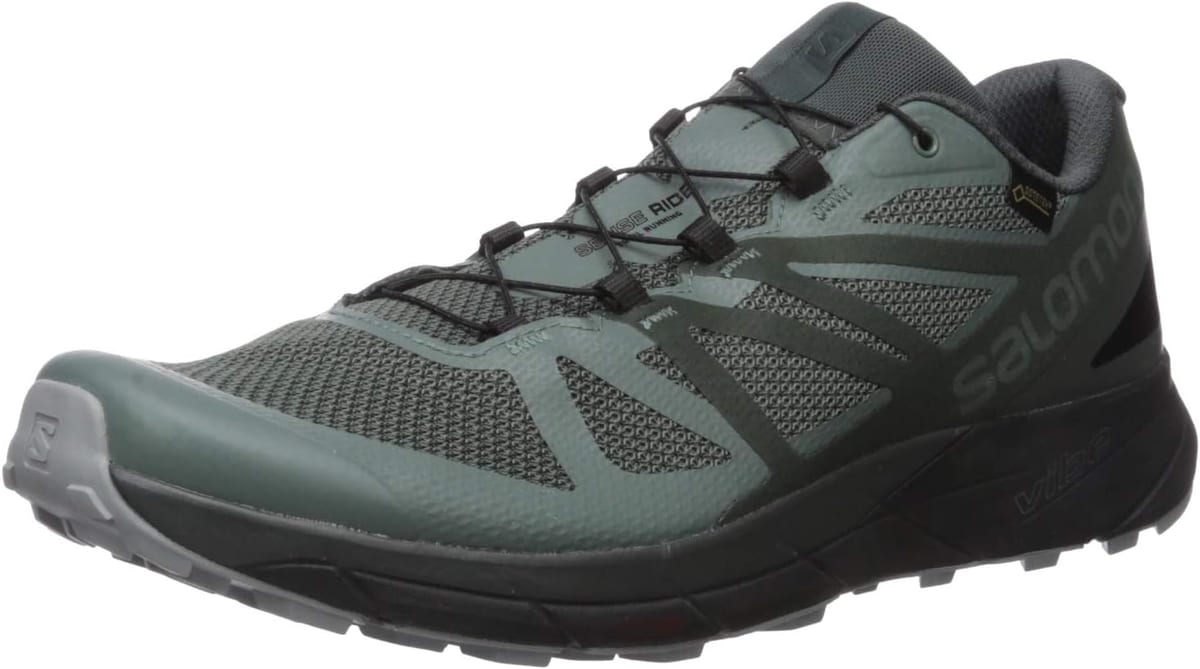
A softer, more forgiving Salomon than the Speedcross, the Sense Ride pairs high cushioning with grippy Contagrip and a GORE-TEX Invisible Fit membrane. A comfortable pick for longer winter trail miles on packed snow and mixed ground, without the harsh, race-firm ride.
Pros
- Cushioned, comfortable long-run ride
- Grippy Contagrip on packed snow
- Breathable GORE-TEX Invisible Fit
Cons
- Lugs shallower than the Speedcross
- No ice studs
Best value
Nike Juniper Trail 2 GORE-TEX
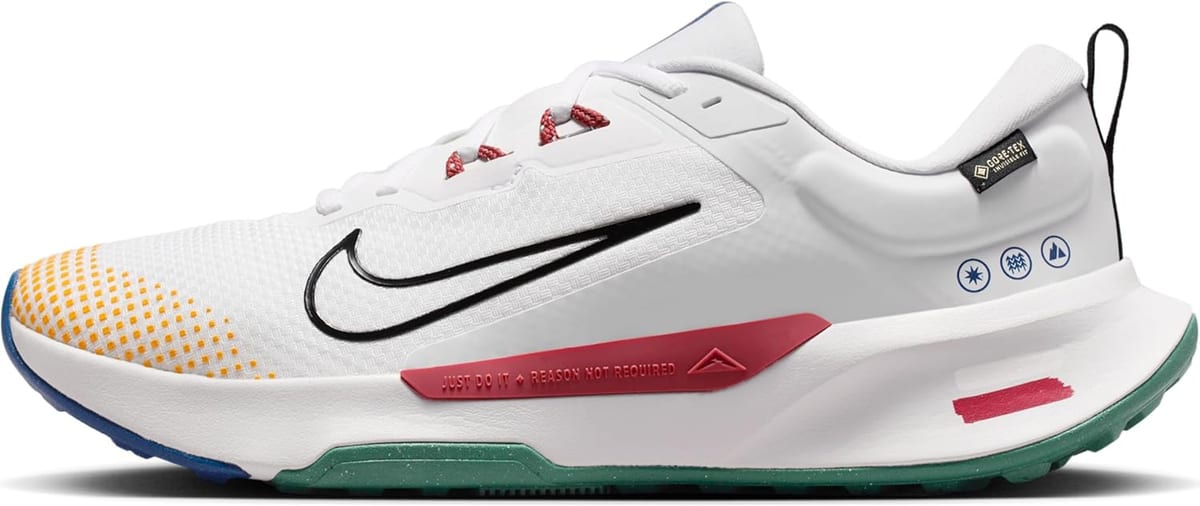
An affordable way into waterproof winter running. The Juniper Trail 2 wraps a soft, cushiony midsole in a GORE-TEX upper with grippy trail lugs - enough traction for snowy paths and light trails, at a price that leaves room in the budget for warm socks and gloves.
Pros
- Genuinely affordable GORE-TEX
- Soft, cushioned ride
- Grippy enough for snowy paths
Cons
- Less durable than premium shoes
- Lugs too shallow for deep snow
Best budget trail
ASICS Gel-Sonoma 8 GTX
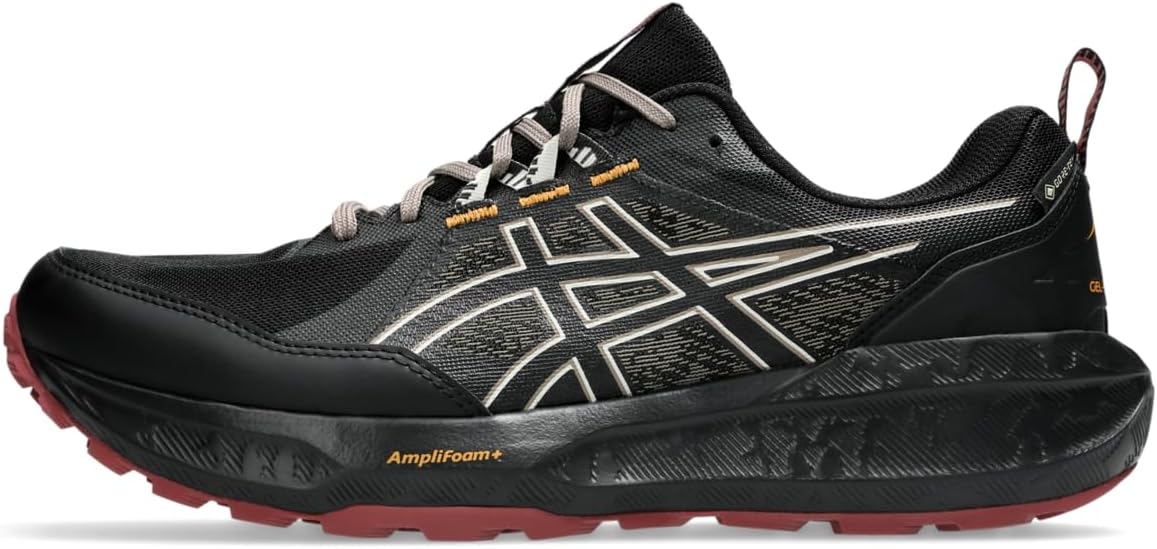
A dependable, cushioned budget trail runner for winter. AMPLIFOAM+ and rearfoot GEL soften cold, hard ground, a trail outsole grips packed snow and dirt, and a GORE-TEX upper keeps rain and slush out - a lot of waterproof winter shoe for the money.
Pros
- Softening GEL cushioning
- Waterproof GORE-TEX upper
- Great value for winter trails
Cons
- Moderate lugs for deep snow
- Heavier than performance trail shoes
Best road cushioning
Brooks Ghost 16 GTX
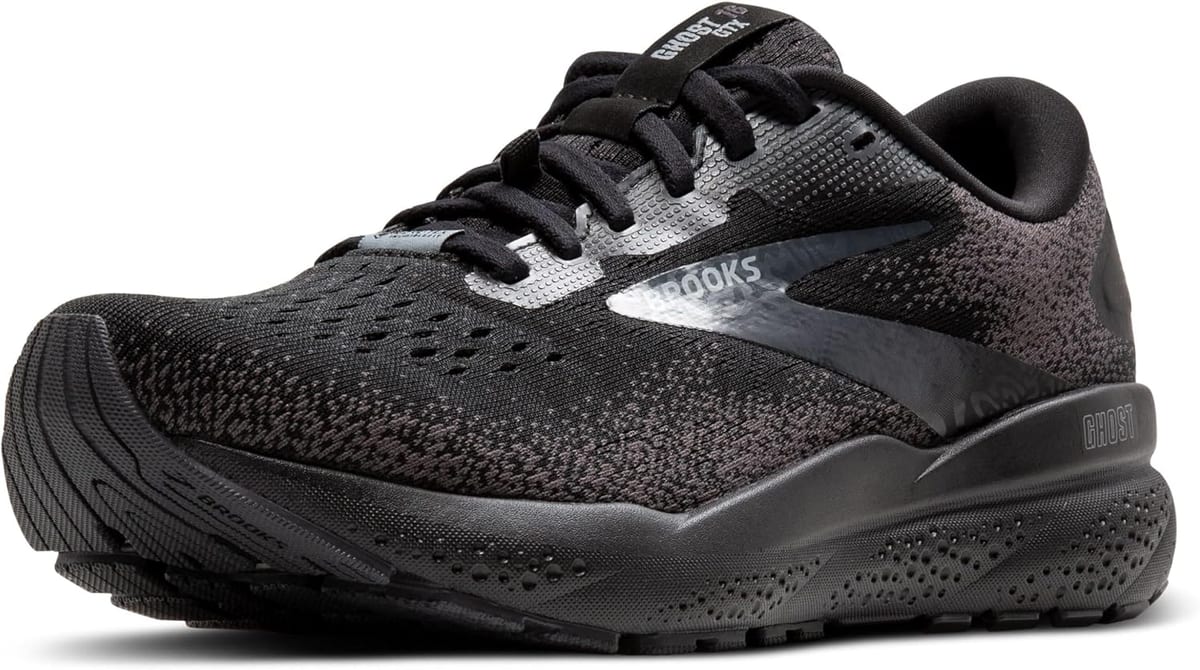
If your winter running is mostly on cleared roads and you want maximum comfort, the Ghost 16 GTX is a plush, neutral daily trainer with a GORE-TEX Invisible Fit membrane and grippy RoadTack rubber. It smooths out cold pavement while keeping rain and slush at bay.
Pros
- Plush, balanced road cushioning
- Excellent waterproofing for a road shoe
- Reliable grip on wet pavement
Cons
- Not for snow, mud, or ice
- Snug toe box for wide feet
Also worth considering
Strong, well-reviewed shoes that just missed our ranked list - worth a look if the picks above aren't quite right for you.
- Salomon Speedcross 4 - The previous-gen Speedcross with thousands of reviews - deep-lug grip that bites snow and slush, quick-drying, and usually cheaper than the current model.
- Salomon XA Pro 3D GTX - An ultra-stable, durable waterproof trail runner with a huge, top-rated owner base - sure-footed on uneven, snowy ground.
- Nike Winflo 9 Shield - A weatherized, water-repellent road trainer with a warm knit upper - a cushioned pick for cold, wet pavement. (Water-resistant, not fully sealed.)
- LOWA Innox Pro GTX Lo - A light, stable GORE-TEX multi-sport shoe with LOWA's Monowrap frame - versatile for winter walking and mixed training.
Frequently asked questions
Are waterproof running shoes worth it for winter?
For most winter runners, yes. A GORE-TEX membrane blocks cold rain, snow, and slush, and dry feet stay far warmer than wet ones - the difference between a comfortable winter run and numb toes. The trade-off is breathability, but in the cold that extra warmth is usually welcome.
What actually grips on ice?
Standard rubber - even deep lugs - slides on sheet ice. The only shoes that truly grip glare ice have metal studs, like the carbide-studded Icebug BUGrip here. For packed snow, deep aggressive lugs (Speedcross, Sense Ride) work well; for cleared roads, grippy road rubber is fine. If your route has real ice, choose studs or add removable traction devices.
Do waterproof running shoes keep your feet warm?
Indirectly, and significantly. They aren't insulated like winter boots, but by keeping water out they stop the evaporative cooling that makes wet feet cold. Pair them with warm merino or synthetic running socks for genuinely warm feet in freezing conditions.
Studded shoes or removable traction devices?
Integrated studs (like Icebug's carbide BUGrip) run more naturally and never fall off mid-run - best if you face ice regularly. Slip-on spikes or screw studs are cheaper and let you convert a shoe you already own, but can shift or come loose. For occasional ice, add-ons are fine; for a committed ice runner, buy the studded shoe.
Trail or road shoes for winter running?
Match the surface. For snow-covered trails, parks, and soft or unplowed ground, a deep-lugged waterproof trail runner grips best. For plowed roads, sidewalks, and packed surfaces, a cushioned waterproof road shoe with grippy rubber is more comfortable and rolls better. Icy routes call for studs on either.
Do GORE-TEX running shoes get too hot in winter?
Rarely in true winter - the reduced breathability that feels stuffy in summer is an asset in the cold, trapping a little warmth. On mild, wet-but-not-freezing days some runners still find them warm, so save them for genuinely cold or wet conditions.